

Are Dishwashing Pods Harmful to Children?
May 13, 2026
Leave a message
Why Dishwasher Pods Are Dangerous for Young Children
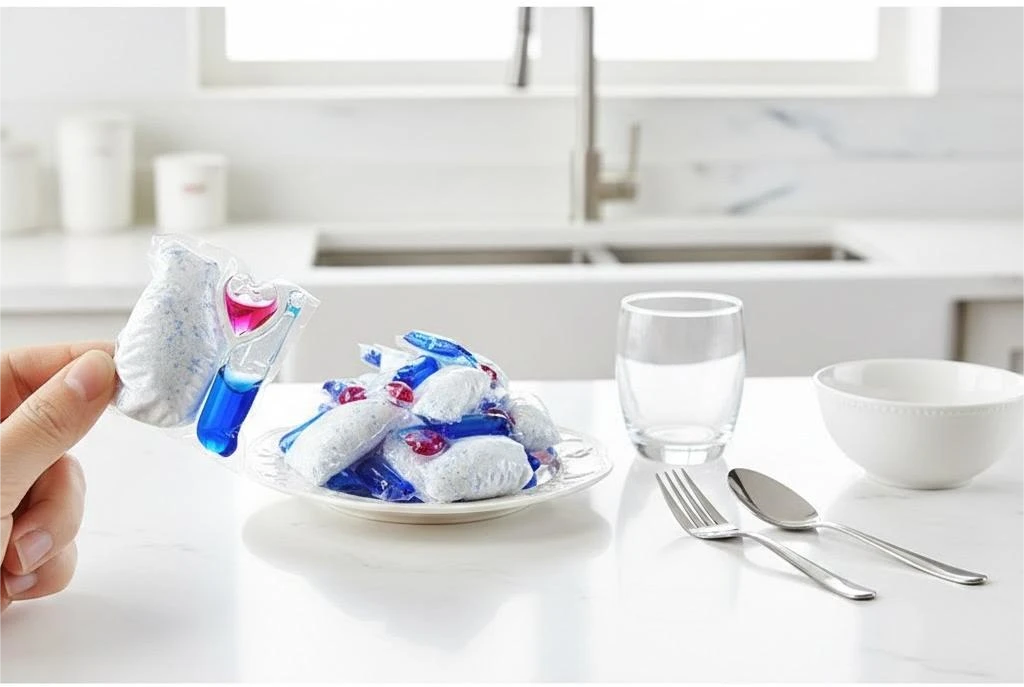
Dishwasher pods may look harmless, but they can be dangerous for toddlers and young children. Their bright colors and soft texture can resemble candy, making kids more likely to touch or bite them.
Unlike regular dish soap, dishwasher pods contain highly concentrated cleaning chemicals inside a dissolvable film. If a pod bursts in a child's mouth, eyes, or on the skin, it can cause serious irritation or injury within seconds.
Common risks include:
- Chemical burns inside the mouth or throat
- Vomiting and breathing difficulties
- Eye irritation or corneal injury
- Skin burns and redness
- Accidental swallowing of concentrated detergent
Children under 5 years old are considered the highest-risk group because they naturally explore objects by touching and tasting them.


Why Dishwasher Pods Can Be Riskier Than Regular Detergent
Many parents assume all dishwashing products carry similar risks, but dishwasher pods create a different type of safety concern-especially in homes with young children.
One major reason is concentration. Dishwasher pods are designed to deliver strong cleaning power in a compact format, so the detergent inside is typically much more concentrated than regular dish soap or liquid detergent. If the contents come into contact with the mouth, eyes, or skin, irritation can happen very quickly.
Highly Concentrated Cleaning Formula
Because pods contain concentrated detergent in a small amount of liquid or gel, accidental exposure may cause stronger reactions than traditional dishwashing products.
Potential risks can include:
- Mouth or throat irritation after swallowing
- Eye irritation if the pod bursts during handling
- Skin discomfort after direct contact with concentrated detergent
This is one reason safety organizations often recommend keeping pods completely out of reach of children rather than relying only on packaging warnings.
Fast-Dissolving Outer Film
The outer film of a dishwasher pod is designed to dissolve rapidly once exposed to water during the wash cycle.
However, moisture from wet hands, saliva, or humidity can also weaken the film quickly. If a child squeezes, bites, or punctures the pod, the detergent may burst out within seconds.
Because the liquid is highly concentrated, even a small amount can cause immediate discomfort if it reaches sensitive areas such as the eyes or mouth.
Colorful Design Makes Pods Easy to Mistake for Candy
Another issue is how dishwasher pods look and where they are commonly stored.
Dishwasher pods are often brightly colored, small, soft to the touch, and commonly stored under sinks or near the dishwasher where children can easily reach them.
Transparent packaging can increase the risk further because the pods remain visible and visually appealing to children.
For toddlers especially, the appearance of pods can easily be confused with candy or toys, which is why secure storage matters just as much as product formulation.


Symptoms of Dishwasher Pod Exposure in Children
Symptoms of dishwasher pod exposure can appear within minutes, especially in young children. The severity often depends on how much detergent was involved, whether the eyes or skin were affected, and how quickly the child receives treatment.
If a Child Swallows Dishwasher Detergent
Swallowing concentrated dishwasher detergent can irritate the mouth, throat, and digestive system very quickly.
Common symptoms may include:
- Sudden coughing or choking
- Vomiting or excessive drooling
- Difficulty swallowing
- Refusing to drink water
- Unusual tiredness or weakness
- Trouble breathing or noisy breathing sounds
Breathing difficulties should always be treated as a medical emergency because swelling or irritation in the airway can worsen rapidly in small children.
If Detergent Gets Into the Eyes
Eye exposure often happens when a pod bursts after being squeezed, punctured, or bitten. After eye exposure, children may suddenly start crying, rubbing their eyes, or having difficulty opening them. Redness, swelling, tearing, and light sensitivity are also common signs of irritation.
In more serious cases, concentrated detergent may irritate or damage the surface of the eye if flushing and treatment are delayed.
If Detergent Touches the Skin
Skin contact is usually less severe than swallowing or eye exposure, but concentrated detergent can still irritate sensitive skin.
Some children may develop:
- Red patches or rash-like irritation
- Burning or stinging sensation
- Dryness or peeling skin after contact
Children with eczema, damaged skin barriers, or existing sensitivities may react more strongly even after short exposure.

What To Do If Your Child Bites a Dishwasher Pod
If a child bites or punctures a dishwasher pod, quick and calm action is important. Even when symptoms seem mild at first, concentrated detergent can irritate the mouth, throat, eyes, or stomach within minutes.
Remove Any Remaining Detergent
Carefully wipe away any detergent left around the mouth using a soft wet cloth or clean fingers.
Avoid forcing vomiting, as this may expose the throat and mouth to the chemicals a second time and increase irritation.
Rinse Eyes or Skin Immediately
If the detergent touches the eyes or skin:
- Rinse with lukewarm running water immediately
- Continue flushing for at least 15 minutes
- Remove contaminated clothing if needed
For eye exposure, gently keep the eye open during rinsing to help wash out any remaining detergent.
Give Small Sips of Water
If the child swallowed some detergent but is awake and breathing normally, small sips of water may help dilute the product.
Avoid giving large amounts too quickly, especially if coughing or vomiting begins.
Contact Poison Control Right Away
Even if symptoms appear mild, poison control should be contacted as soon as possible for professional guidance.
In the United States:
·Poison Help: 1-800-222-1222
Be prepared to provide:
- The product name
- Ingredient information if available
- The child's age
- The estimated amount involved
If the child has trouble breathing, severe coughing, or unusual drowsiness, seek emergency medical care immediately.


How To Store Dishwasher Pods Safely
Preventing accidents is always more effective than reacting to them. In most cases, exposure incidents happen not because the product is inherently unsafe, but because it is stored in places that are easy to reach or left accessible during daily routines.
Keep Pods Completely Out of Reach
The safest storage location is always somewhere children cannot access, even during unsupervised moments.
Recommended storage includes:
- High cabinets
- Locked storage areas
- Shelves that are not visible or reachable
At the same time, avoid keeping pods in:
- Under-sink cabinets
- Low drawers
- Areas near the dishwasher that are easy to open
Even a few seconds of access can be enough for an accident to happen, which is why location matters more than convenience.
Use Child-Resistant Packaging and Keep Original Containers
Dishwasher pods should always remain in their original packaging, as it is specifically designed with child-resistant features.
Transferring pods into other containers may seem more organized, but it often increases risk. Avoid using:
- Glass jars
- Decorative containers
- Clear storage boxes
These alternatives can unintentionally make pods look like food or candy, especially to young children.
Close Containers and Finish Use Immediately
Another common risk comes from leaving detergent packaging open during cooking or cleaning routines.
To reduce exposure risk:
- Close the container immediately after taking out a pod
- Avoid leaving pods exposed on countertops
- Do not leave packaging open during multitasking in the kitchen
Children are often exposed during short, distracted moments rather than long periods of unsupervised access.
Start the Dishwasher Without Delay
Once a pod is placed inside the machine, it is safer to complete the wash cycle immediately.
Recommended practice:
- Place the pod into the dishwasher
- Close the door securely
- Start the cycle right away
Avoid leaving pods sitting inside an open dishwasher door, as this increases both visibility and accessibility, especially in busy household environments.


Are Eco-Friendly Dishwasher Pods Safer for Kids?
This is a common misunderstanding. Eco-friendly or plant-based dishwasher pods are made with more sustainable ingredients, but they are not safe if swallowed or misused.
"Natural" or "eco-friendly" usually refers to ingredient sourcing and biodegradability, not reduced cleaning strength. Most products still contain concentrated detergents that can irritate the mouth, eyes, or skin.
Even milder formulas can still cause discomfort, especially for young children who are more sensitive to exposure.
Because of this, the same safety standards should always be applied regardless of product positioning. Parents should treat the following categories with equal caution:
- Eco-friendly dishwasher pods
- Fragrance-free pods
- Plant-based detergents
- Sensitive-home cleaning products
In practice, product labeling may change, but the need for proper storage and child safety precautions remains the same.


Tips for a Safer Kitchen Environment
Most risks linked to dishwasher pods are not caused by the product alone, but by how and where they are stored and used. A few simple household habits can significantly reduce accidental exposure and make the kitchen safer, especially in homes with children.
Create a Dedicated Storage Area for Cleaning Products
Keeping all cleaning products in one secure, consistent location helps reduce accidental access and confusion.
Instead of placing items in multiple cabinets or under the sink loosely, it is better to:
- Store everything in a single designated "cleaning zone"
- Use child-resistant cabinets or safety locks when possible
- Keep products out of sight rather than at eye level
A structured storage routine reduces the chance of children exploring unfamiliar containers out of curiosity.
Teach Clear and Simple Safety Rules Early
As children grow, early and consistent education plays an important role in prevention.
Simple, repeated messages are often more effective than complex explanations, such as:
- "Cleaning products are not food."
- "Only adults can use dishwasher pods."
Even if young children do not fully understand at first, repetition helps build awareness over time and reduces the likelihood of unsafe behavior.
Check for Damaged or Leaking Pods Regularly
Occasionally, pods may become damaged due to humidity, pressure, or improper storage.
In these cases:
- Dispose of leaking or broken pods immediately and safely
- Clean any spilled detergent from shelves or countertops
- Avoid leaving residue, as bright colors and slippery textures may attract attention from children
Maintaining a clean storage area not only improves safety but also reduces visual temptation that can lead to accidental contact.


FAQ
Are dishwasher pods more dangerous than liquid dish soap?
Yes, because they contain a more concentrated detergent that can be released rapidly during accidental exposure.
How quickly do symptoms appear?
Usually within minutes, with reactions such as coughing, drooling, vomiting, or eye irritation occurring almost immediately.
Can dishwasher pod exposure cause long-term damage?
Most cases recover fully with prompt medical attention, but severe exposure-especially to the eyes or airway-can lead to complications.
Should I induce vomiting?
No, because vomiting can cause additional irritation or chemical exposure to the throat and mouth.
Final Thoughts
Dishwasher pods are highly effective cleaning products, but they should always be handled with care, especially in households with children. Most incidents occur during routine moments when products are left within reach or not properly stored. Maintaining secure storage, cleaning up spills immediately, and treating pods with the same caution as household chemicals or medication can significantly reduce the risk of accidents at home.