


What Essential Oil Types Are Hot in 2026 for B2B Brands
Mar 09, 2026
Leave a message
Introduction
The global aromatherapy and essential oil market continues to expand as consumers increasingly prioritize wellness, stress management, and natural lifestyles. According to multiple industry reports, demand for functional aromatherapy products is growing rapidly across personal care, home fragrance, and wellness categories.
For brands and distributors, understanding what essential oil types are hot in 2026 is essential for planning competitive product lines and responding to evolving consumer expectations.
Modern buyers are no longer satisfied with simple single-note oils. Instead, they are seeking purpose-driven aromatherapy solutions that deliver clear benefits such as stress relief, better sleep, improved focus, and environmentally responsible sourcing.
In this guide, we explore the key essential oil trends shaping the market in 2026 and explain how B2B brands can transform these trends into profitable opportunities.

Calming Essential Oils for Stress Relief and Sleep
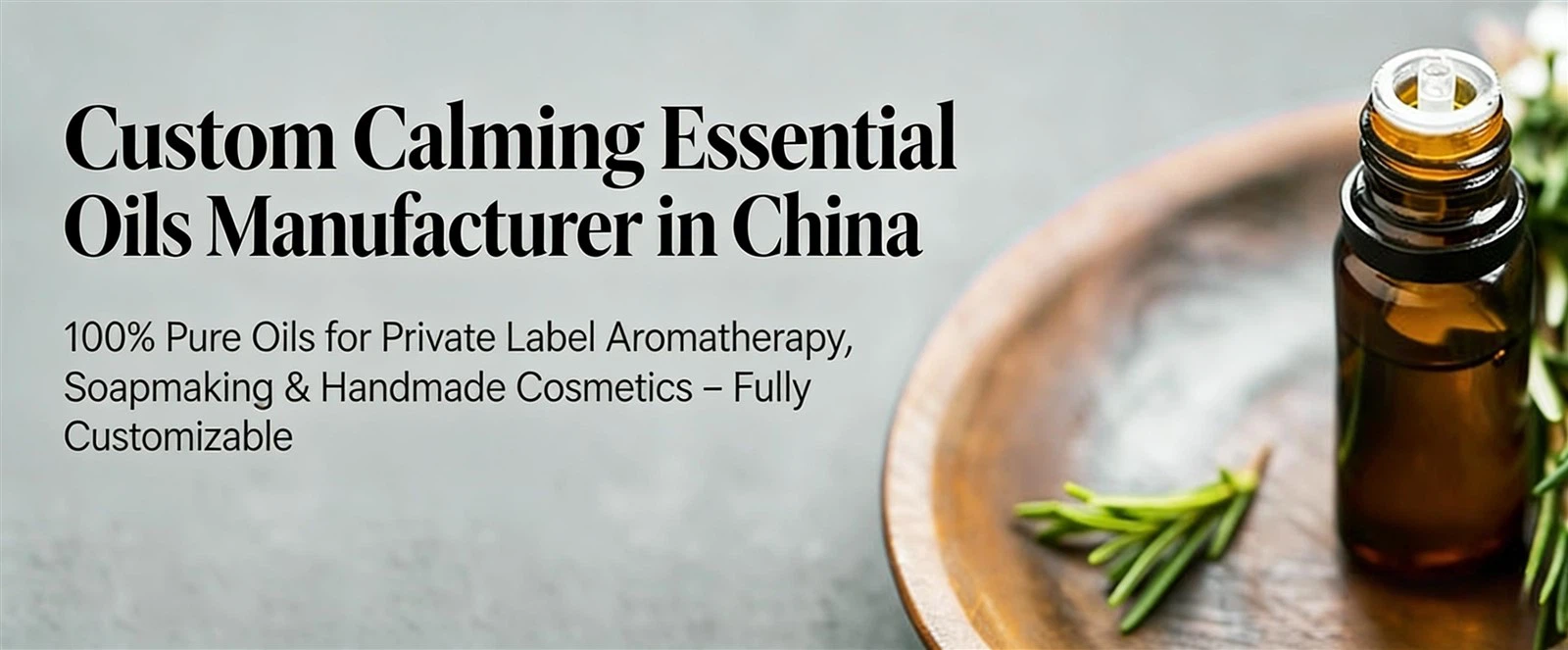
In recent years, the demand for wellness products that support relaxation and mental recovery has grown significantly. As global work pressures and digital fatigue continue to rise, consumers are actively seeking effective aromatherapy solutions that help them unwind and improve sleep quality. This trend has made calming essential oils a fundamental component of modern wellness offerings.
• Lavender – Widely recognized for promoting deep relaxation and improving sleep quality. Frequently used in private label calming blends, sleep sprays, and bedtime roll-ons to meet growing consumer demand for effective stress relief.
• Chamomile – Known for its gentle, soothing aroma that helps reduce anxiety. Ideal for custom essential oil formulations in bath salts, shower steamers, and relaxation body care products targeting high-stress lifestyles.
• Clary Sage – Offers grounding and emotional balance through its herbal scent profile. Often incorporated by OEM essential oil manufacturers into night-time aromatherapy blends and self-care collections to enhance overall wellness experience.
By aligning product development with these trends, brands can offer functional, purpose-driven aromatherapy that supports mental well-being while reinforcing their position as leaders in the wellness space.
Energy Aromatherapy Oil for Focus and Productivity
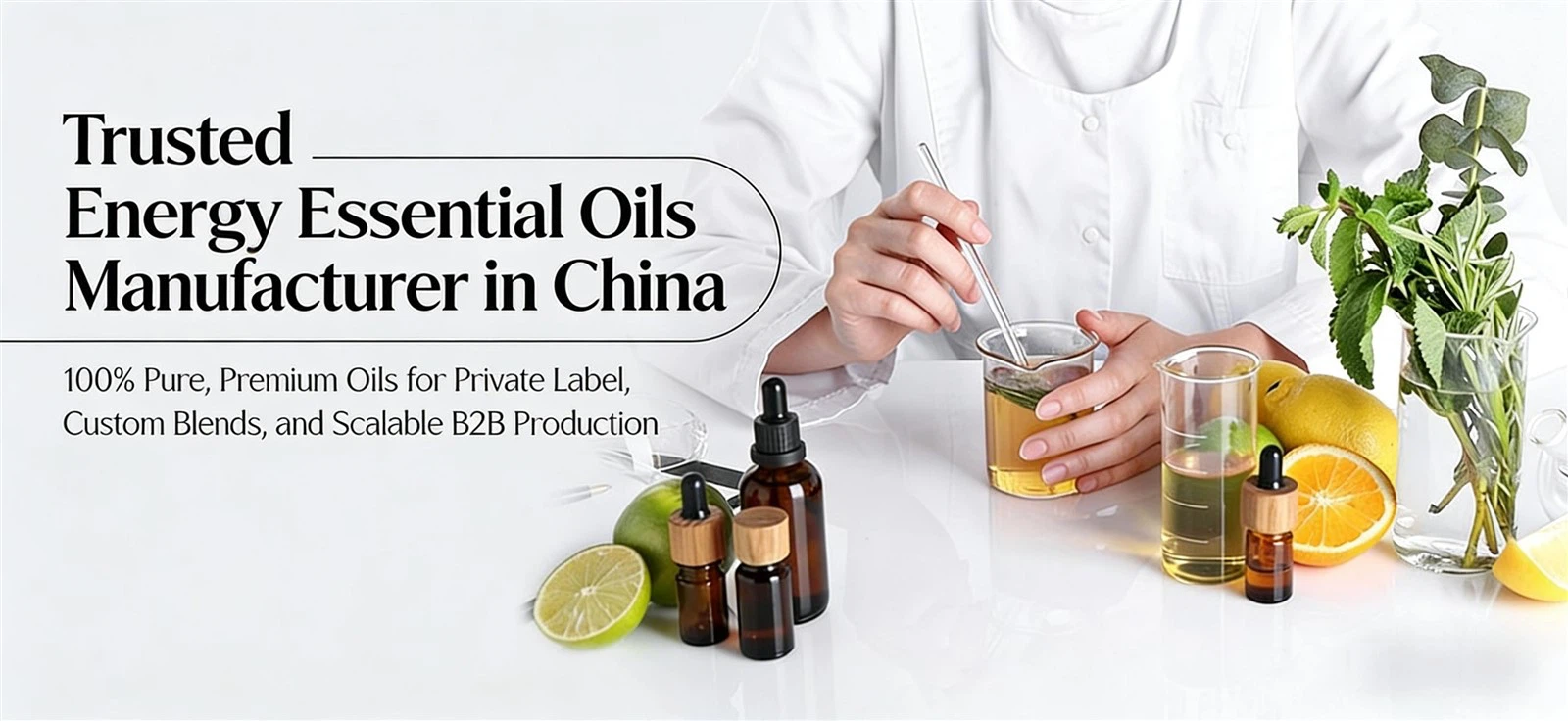
While relaxation products dominate evening wellness routines, daytime productivity solutions are rapidly gaining traction. Modern consumers are seeking natural ways to stay alert, focused, and energized without relying on caffeine or synthetic stimulants. This has created a strong market demand for energy-boosting essential oils that support mental clarity, concentration, and revitalization throughout the day.
Key energizing essential oils include:
• Citrus oils – Sweet orange, lemon, and grapefruit provide bright and uplifting aromas. These oils are ideal for private label energizing blends, morning shower steamers, and diffuser products designed to enhance focus in home or office environments.
• Peppermint – Known for improving alertness and mental clarity. Frequently incorporated into custom essential oil formulations for focus rollerballs, desk diffusers, and productivity-oriented wellness collections.
• Eucalyptus – Offers a refreshing scent that promotes deeper breathing and mental refreshment. Often used by OEM essential oil manufacturers in energizing room sprays, spa-inspired morning blends, and multi-functional aromatherapy lines.
These essential oils are commonly applied in products such as rollerballs, desk diffusers, morning shower steamers, and energy room sprays. For wellness brands and retailers, integrating energy-boosting aromatherapy into private label or OEM offerings delivers strong repeat purchase rates and helps differentiate products in a competitive marketplace.
Sustainable and Eco-Friendly Essential Oils
Sustainability is no longer an optional feature-it has become a core expectation among modern consumers. Buyers increasingly demand transparency regarding ingredient sourcing, environmental impact, and ethical production practices. As a result, eco-friendly essential oils are emerging as a critical market trend for 2026, providing brands with an opportunity to differentiate their private label and OEM product lines.
Key characteristics of sustainable essential oils include:
Plant-based ingredients
Derived from renewable sources, ensuring minimal environmental footprint while delivering authentic natural benefits. Frequently used in custom essential oil blends for wellness and personal care lines.
Responsible farming practices
Ethical cultivation that protects ecosystems and supports fair-trade principles. Ideal for OEM essential oil manufacturers aiming to offer traceable and socially responsible products.
Biodegradable formulations
Oils and carrier blends that break down naturally without leaving harmful residues. Perfect for inclusion in private label bath salts, shower steamers, and body care products.
Transparent supply chains
Full traceability from farm to bottle, enabling brands to substantiate sustainability claims and build consumer trust. This transparency is a key differentiator for factory direct essential oils in the B2B market.
Examples of essential oils commonly associated with sustainable sourcing:
• Organic lavender oil – Often used in sleep and relaxation products for eco-conscious consumers.
• Wild-harvested eucalyptus oil – Incorporated into aromatherapy blends that emphasize freshness and environmental responsibility.
• Cold-pressed citrus oils – Ideal for mood-lifting formulations in private label wellness lines.
• Responsibly sourced tea tree oil – Popular in personal care products where antibacterial and purifying benefits align with sustainability messaging.
Brands that prioritize environmentally responsible formulations not only meet growing consumer expectations but also enhance trust, loyalty, and long-term market positioning. Partnering with an experienced OEM essential oil manufacturer ensures consistent product quality, scalable production, and fully traceable sourcing, making it easier for B2B brands to launch credible sustainable offerings.


Top 10 Essential Oils Brands Should Watch in 2026
As the global aromatherapy and wellness market continues to expand, certain essential oils are proving to be highly influential for product development across personal care, home fragrance, and wellness categories. These oils are valued for their functional benefits, widespread consumer recognition, and strong market demand. B2B brands that leverage these oils in private label essential oils or custom blends can create market-ready products with high consumer appeal.
|
Essential Oil |
Key Benefits & Functional Properties |
B2B / OEM Application & Private Label Tips |
|
Lavender |
Promotes deep relaxation and improves sleep quality |
Used in private label calming blends, sleep sprays, bedtime roll-ons, bath salts. Versatile ingredient for wellness-focused product lines. |
|
Peppermint |
Refreshing, energizing aroma; improves alertness and mental clarity |
Incorporated by OEM essential oil manufacturers into focus-enhancing rollerballs, office diffusers, daytime wellness blends. High-turnover ingredient for productivity-focused consumers. |
|
Lemon |
Bright citrus scent, associated with freshness and positivity |
Ideal for custom essential oil blends in home fragrance, natural cleaning formulations, and uplifting aromatherapy. Strong consumer recognition across multiple product categories. |
|
Eucalyptus |
Crisp, cooling aroma; supports respiratory comfort |
Used in custom aromatherapy blends, shower steamers, spa-inspired bath products, room sprays. Appeals to consumers seeking invigorating home experiences. |
|
Tea Tree |
Purifying and cleansing properties |
Incorporated in OEM skincare, scalp treatments, natural cleaning products. Multifunctional use makes it ideal for private label wellness and personal care lines. |
|
Bergamot |
Citrus with subtle floral notes; mood-balancing |
Used in custom essential oil blends for luxury aromatherapy, wellness diffusers, high-end personal care. Enhances premium wellness positioning. |
|
Rosemary |
Improves concentration, mental clarity, cognitive focus |
Used in OEM focus-enhancing blends, scalp care, invigorating rollerballs. Attractive for productivity-focused brands. |
|
Frankincense |
Grounding, meditative qualities; wellness heritage |
Used in private label essential oils, meditation-focused aromatherapy, premium skincare. Adds ritual and luxury to wellness offerings. |
|
Sandalwood |
Warm, rich woody aroma supporting relaxation |
Incorporated into OEM aromatherapy blends, high-end spa products, luxury personal care. Enhances product differentiation and brand perception. |
|
Chamomile |
Gentle, soothing aroma; supports restful sleep |
Ideal for custom essential oil formulations in bath salts, nighttime roll-ons, sleep sprays, body care. Meets strong consumer demand for calming, purpose-driven wellness solutions. |


Why These Essential Oils Matter for Brands
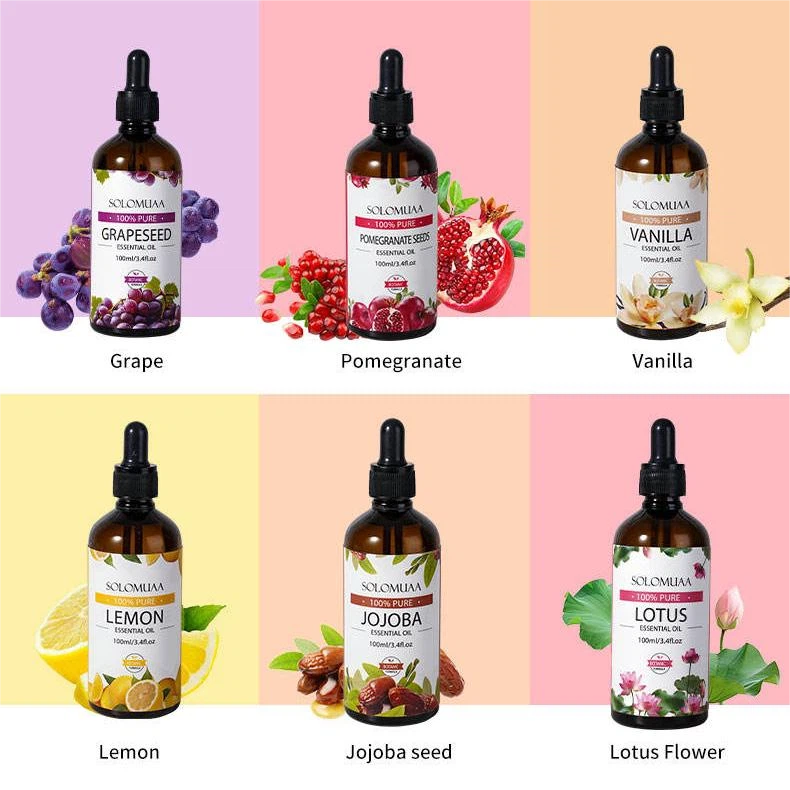
For B2B companies developing aromatherapy products, popular essential oils such as lavender, chamomile, and clary sage provide a solid foundation for market-ready formulations. Their functional benefits and widespread consumer recognition make them ideal for private label essential oils and custom essential oil blends.
Key reasons these oils matter for brands include:
• Consumer Familiarity Drives Sales – Oils like lavender and chamomile are instantly recognizable, helping private label products gain trust quickly in retail and e-commerce channels.
• Versatility Across Product Lines – These calming oils can be incorporated into sleep sprays, bath salts, shower steamers, and relaxation body care, enabling brands to launch multi-category product offerings efficiently.
• Alignment with Emerging Trends – Combining these oils with sustainably sourced ingredients or functional aromatherapy blends allows brands to meet growing consumer demand for eco-friendly and purpose-driven wellness products.
• Scalable B2B Production – Partnering with an OEM essential oil manufacturer or working through essential oil factory direct ensures consistent quality, flexible production runs, and faster time-to-market for high-demand private label products.
By leveraging these popular essential oils strategically, brands can create functional, trend-aligned aromatherapy offerings that satisfy both consumer needs and operational efficiency, reinforcing their competitive position in the global wellness market.

How Brands Turn Essential Oil Trends into Market-Ready Products
Understanding what essential oil types are hot in 2026 is only the first step. B2B brands need to turn these trends into products that succeed globally. Partnering with an OEM essential oil manufacturer or private label provider allows faster, scalable, and consistent production.
Brands benefit by:
• Developing custom blends – Align products with trends using private label essential oils.
• Faster product launches – Leverage manufacturer expertise to move quickly from concept to market.
• Consistent quality – Ensure reliable formulations across small and large production volumes.
• Reduced operational complexity – Outsource production, packaging, and compliance to a trusted essential oil factory direct partner.
Popular product categories include:
• Aromatherapy roll-ons – E-commerce wellness kits or subscription boxes.
• Diffuser blends – Home, office, or spa applications.
• Bath and body products – Shower steamers, bath salts, relaxation body care.
• Home fragrance – Candles, sprays, and diffusers with trending oils.
• Wellness & self-care lines – Flexible private label offerings for multiple markets.
With the right manufacturing partner, brands can turn trends into scalable, B2B-ready products efficiently and reliably.


Choosing the Right Essential Oil Manufacturer
For companies entering or expanding in the aromatherapy market, selecting the right manufacturing partner is a critical step. A dependable OEM essential oil manufacturer not only ensures consistent product quality but also enables brands to bring custom formulations to market efficiently.
A reliable essential oil supplier should provide the following capabilities:
• Consistent Raw Material Sourcing – Ensure every batch of essential oils meets quality standards. This is especially important for private label and custom essential oil blends, where ingredient consistency directly affects consumer trust and product performance.
• Strict Quality Control and Regulatory Compliance – Adherence to certifications such as ISO, REACH, and SGS guarantees safe, high-quality products that meet global retail requirements. B2B brands benefit from reduced risk and simplified compliance when partnering with certified manufacturers.
• Flexible Private Label Solutions – Experienced manufacturers offer adaptable formulations, packaging options, and scalable production for custom essential oil blends, helping brands test new product lines without overcommitting resources.
• Scalable Production Capacity – From small pilot runs to large-scale international orders, the ability to scale production ensures that successful products can meet growing market demand without delays or supply chain disruptions.
By working with a seasoned essential oil factory direct partner, brands can accelerate product development, maintain consistent quality, and respond to market trends quickly. This approach transforms aromatherapy concepts into profitable, reliable products for retail and e-commerce channels.


Conclusion
The essential oil market in 2026 is being shaped by three major consumer demands: relaxation, productivity, and sustainability. Calming oils such as lavender and chamomile continue to dominate the sleep and stress-relief categories, while citrus and mint oils drive energy-boosting aromatherapy products.
At the same time, eco-friendly sourcing and transparent manufacturing are becoming baseline expectations rather than optional features.
For B2B brands, understanding what essential oil types are hot in 2026 provides valuable insight for developing new product lines that align with global wellness trends.
Companies that combine trend awareness with reliable manufacturing partnerships will be best positioned to capture growth opportunities in the expanding aromatherapy market.
FAQs
What essential oils will be popular in 2026?
The most popular essential oils in 2026 are expected to fall into three major categories: calming oils such as lavender and chamomile, energizing oils like peppermint and citrus, and sustainably sourced oils such as eucalyptus and tea tree.
Why are calming essential oils so popular?
Growing stress levels and sleep challenges have increased consumer demand for relaxation products. Essential oils known for stress relief and sleep support are therefore widely used in wellness routines.
What industries use essential oils the most?
Essential oils are widely used in several industries including personal care, home fragrance, aromatherapy wellness products, spa and beauty treatments, and natural household products.
Are sustainable essential oils important for brands?
Yes. Modern consumers increasingly expect eco-friendly ingredients and transparent sourcing. Brands that prioritize sustainable essential oil production often gain stronger trust and long-term customer loyalty.