


What Causes Laundry Pods Residue on Clothes
Jun 17, 2026
Leave a message

Introduction
Laundry pods are convenient and effective, but sometimes they leave behind white film, sticky gel, or detergent marks on clothing. In most cases, laundry pod residue is caused by cold water, overloaded washing machines, incorrect pod placement, hard water, short wash cycles, or poor-quality pods that fail to dissolve completely.
The good news is that laundry pod residue is usually easy to prevent and remove once you understand why it happens. This guide explains the most common causes, practical solutions, and expert tips for achieving cleaner, residue-free laundry.
Quick Answer: Why Laundry Pods Leave Residue
If your laundry pods leave residue on clothes, one or more of the following issues is usually responsible. In most cases, the problem is related to washing conditions rather than the pod itself. Factors such as water temperature, load size, and wash cycle settings can all affect how completely a laundry pod dissolves.
|
Common Cause |
What Happens |
|
Cold water |
The pod film dissolves too slowly, especially during very cold washes, leaving gel-like residue or white streaks on fabrics. |
|
Overloaded washer |
Water cannot circulate freely around the load, preventing the pod from dissolving evenly and distributing detergent properly. |
|
Incorrect pod placement |
The pod may stick directly to clothing instead of contacting water first, causing concentrated detergent marks or undissolved film. |
|
Hard water |
Calcium and magnesium minerals react with detergent, creating residue deposits that can remain on clothes after washing. |
|
Short wash cycles |
The pod may not have enough time to fully dissolve and rinse away, particularly when washing bulky fabrics. |
|
Low-quality or expired pods |
The film may dissolve poorly, or the detergent inside may have degraded, resulting in incomplete breakdown during the wash. |
|
Washer problems |
Poor water circulation, clogged filters, or drainage issues can prevent detergent from rinsing out completely. |
While these issues are common, they are usually easy to fix with a few adjustments to your laundry routine. Identifying the specific cause can help you prevent future residue and improve overall washing performance.
In most situations, rewashing clothes with warm water and an extra rinse cycle will remove residue successfully.
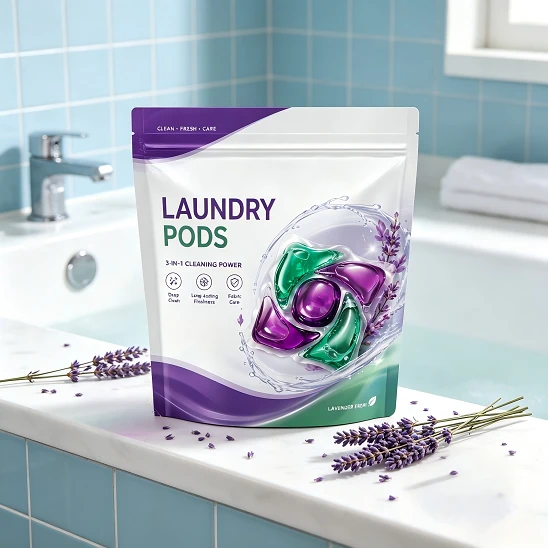

What Causes Washing Pods Residue on Clothes?
Understanding the root cause is the first step toward preventing residue. While many people assume the pod itself is defective, the issue is often related to washing conditions, water quality, or machine performance. In most cases, a few small adjustments can eliminate the problem entirely.
Improper Washing Practices
Many laundry pod residue problems are caused by the way the washer is loaded and operated. Even a high-quality pod can struggle to dissolve properly if water cannot circulate freely around it.
The three most common user-related mistakes are:
- Overloading the drum
- Placing the pod incorrectly
- Choosing ultra-short wash cycles
For example, when a washer is packed too tightly, the pod may become trapped between layers of clothing instead of being exposed to enough water. The outer film partially dissolves, but some detergent remains concentrated in one area of the load.
Similarly, placing a pod on top of clothes or inside a detergent drawer can prevent it from dissolving evenly. Laundry pods are designed to sit directly in the drum where they can contact water immediately.
A simple rule is to place the pod first, add clothes second, and leave enough space for items to move freely during the wash.
Water Conditions and Temperature
Water quality is another major factor that many households overlook.
Cold water and hard water affect pod performance in different ways:
|
Condition |
Effect on Laundry Pods |
|
Very cold water |
Slower film dissolution |
|
Hard water |
Mineral buildup and reduced detergent efficiency |
Although most modern pods are designed for cold-water washing, extremely low temperatures can still slow the breakdown of the dissolvable film. This is why residue complaints often increase during winter months.
Hard water creates a different challenge. Minerals such as calcium and magnesium can bind with detergent ingredients, creating deposits that remain on clothing after rinsing.
If you frequently notice white streaks on dark garments, hard water or cold-water washing may be contributing to the issue.
Poor-Quality or Expired Laundry Pods
Not all laundry pods perform the same.
A pod's ability to dissolve depends heavily on its film quality, detergent formulation, and storage condition.
Before assuming your washer is the problem, ask yourself:
- Have the pods been stored in a humid laundry room?
- Are they past their recommended shelf life?
- Have you recently switched to a lower-cost brand?
Pods that have absorbed moisture often become sticky or partially fused together. Once that happens, they may not dissolve evenly during the wash cycle.
In our experience, residue complaints are often linked to storage issues rather than manufacturing defects.
Washing Machine Issues
Sometimes the pod is not the culprit at all.
If residue continues to appear after adjusting load size, water temperature, and pod placement, the washing machine itself may need attention.
Common machine-related issues include:
- Clogged filters
- Weak water flow
- Drainage problems
- Faulty inlet valves
These issues reduce the amount of water reaching the drum or prevent detergent from rinsing away completely.
If residue appears on multiple loads despite following best practices, inspecting the machine should be the next troubleshooting step.


How to Remove Laundry Pod Residue from Clothes
If residue has already appeared, don't panic. Most cases can be fixed quickly and won't cause permanent damage to your clothing. The best removal method depends on the type of residue you're dealing with, whether it's a white powdery film, sticky detergent gel, or mineral deposits caused by hard water.
Before treating the affected garments, avoid putting them in the dryer. Heat can make detergent residue harder to remove and may cause visible marks to set into the fabric.
Remove Common Laundry Pod Residue
If you notice white streaks, powdery marks, or small pieces of undissolved pod film on your clothes, the good news is that the problem is usually easy to fix. In most cases, the residue is simply leftover detergent that did not dissolve or rinse away completely during the wash.
A second wash is often all that's needed.
Try the following steps:
1.Rewash the affected clothing using warm water.
2.Select an extra rinse cycle if your machine offers one.
3.Avoid adding another laundry pod or additional detergent.
The combination of fresh water and extra agitation typically removes any remaining residue from the fabric.
For sticky gel spots, rinse the affected area under warm running water before rewashing. Gently rubbing the fabric together can help loosen concentrated detergent that has dried onto the surface.
Tip: Avoid putting clothes in the dryer until the residue is completely removed. Heat can make detergent marks more difficult to eliminate.
Remove Residue Caused by Hard Water
Hard water residue is slightly different from undissolved pod film. Instead of detergent alone, you're often dealing with a combination of detergent and mineral deposits left behind by calcium and magnesium in the water.
Signs that hard water may be the cause include:
- White or chalky marks on clothing
- Dull-looking fabrics
- Stiff towels after washing
- Limescale buildup around faucets or inside the washer
To remove hard water deposits:
|
Step |
Action |
|
1 |
Fill a basin with warm water |
|
2 |
Add a small amount of white vinegar |
|
3 |
Soak garments for 30–60 minutes |
|
4 |
Rewash normally without adding extra detergent |
This process helps break down mineral buildup and restore the fabric's appearance. If hard water is a recurring issue, consider using a water softener to prevent residue from returning.


How to Prevent Laundry Pods Residue on Clothes
Preventing detergent residue is usually easier than fixing it after it happens. In most cases, the issue comes from a combination of incorrect dosing, water temperature mismatch, or poor wash conditions rather than the pods themselves.
Match Pod Quantity to Real Load Size
The most common mistake is using too many pods for the actual load. Instead of relying on vague labels like "small" or "large," it helps to think in terms of how full the drum actually is.
|
Load Level |
Recommended Pods |
|
Small load:~⅓ full drum (a few shirts, light clothing) |
1 |
|
Medium load:~½–⅔ full drum (weekly mixed laundry) |
1 |
|
Large load:nearly full drum, but not packed tight |
1–2 |
|
Extra large:full drum with bulky items (towels, bedding) |
2 |
A good rule of thumb: if clothes are still moving freely when the machine starts, you're in the "medium" range. If they're tightly packed, you're already in the "large" or "extra large" zone.
Using more detergent than necessary doesn't improve cleaning-it often does the opposite by leaving undissolved residue on fabrics, especially in cold water.
Water Temperature Matters More Than Most People Expect
Cold water is energy-efficient, but it doesn't always dissolve detergent film as effectively-especially in high-load or heavy-fabric washes.
- Everyday clothes → cold or warm (normal soil, standard wash)
- Towels, bedding → warm or hot (needs deeper cleaning and better rinse)
- Heavy workwear → warm or hot (oils, dirt require higher temp)
- Delicates → cold (protect fabric structure and color)
If residue keeps appearing even when dosing is correct, switching from cold to warm water is often the simplest fix.
Overloading the Machine Breaks the Whole System
A useful way to check overload is surprisingly simple: if you press down on the top of the laundry and your hand cannot sit comfortably on the load, the drum is too full.
Overloading reduces circulation, which means pods don't fully dissolve and rinse water can't reach all fabrics evenly.
Machine Condition and Water Quality Are Hidden Factors
Even perfect dosing fails if the machine itself is not clean or the water is too hard.
Regular maintenance helps detergent perform as intended:
- Clean filters about once a month
- Run a drum cleaning cycle every 1–2 months
- Check drainage performance periodically
- Remove detergent buildup around the gasket and dispenser
Hard water can also interfere with dissolution. In that case, an extra rinse cycle or water softener can make a noticeable difference.


Why White Residue Shows Up More on Dark Clothes
Dark fabrics don't create more residue-they just make it more visible. What looks like "new buildup" is often detergent or mineral residue that would otherwise go unnoticed on lighter clothing.
Common reasons it becomes visible include:
- Incomplete pod dissolution in cold or short cycles
- Hard water mineral deposits sticking to fibers
- Overdosing detergent in large loads
- Insufficient rinse cycles
Dark fabrics act like a "contrast screen," making even small residue more noticeable after drying.
Do Laundry Pods Actually Dissolve in Cold Water?
Yes-most modern laundry pods are designed to dissolve in cold water, but performance is not guaranteed in every situation.
Dissolving depends mainly on:
- Water temperature (colder water slows breakdown)
- Wash cycle length (short cycles reduce time to dissolve)
- Water volume and circulation
- Pod formulation quality
- Machine efficiency
In very cold washes or quick cycles, even high-quality pods may not fully dissolve before the rinse phase begins.


Why Some Laundry Pods Perform Better Than Others
Not all laundry pods dissolve or rinse the same way, and differences usually come down to formulation and design rather than brand name alone.
Water-soluble film quality
Higher-quality films break down more evenly and are less likely to leave fragments behind, especially in cold water.
Detergent formulation
Well-balanced formulas disperse quickly and rinse cleanly, while poorly balanced ones may leave concentrated deposits on fabric.
Water and machine compatibility
Some pods are optimized for hard water or high-efficiency machines, which helps reduce leftover residue under specific conditions.
In most cases, residue problems come from a mismatch between pod design and washing conditions-not a single defect.
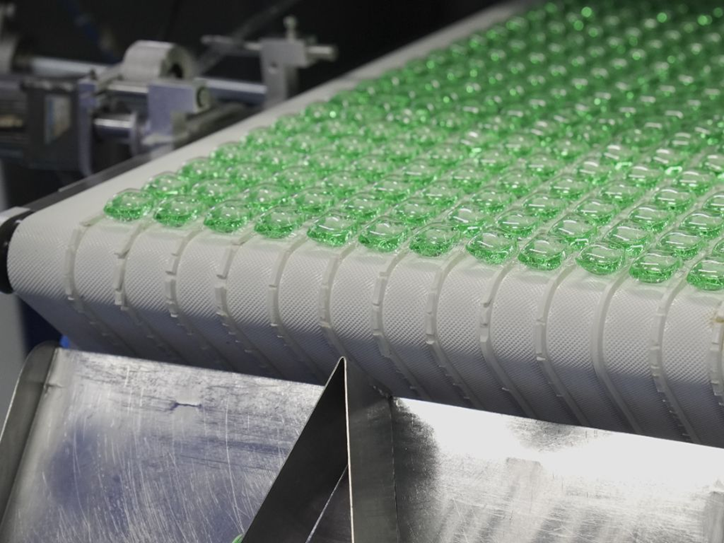
How Laundry Pods Are Tested for Real-World Performance
Before laundry pods reach store shelves, manufacturers test them under different washing conditions to make sure they dissolve properly and perform consistently in everyday use.
Instead of relying on a single lab condition, testing usually focuses on real-life scenarios that mimic how people actually do laundry.
Cold water performance
Pods are tested in low-temperature cycles to ensure they fully break down even when no warm water is used.
Hard water conditions
Since mineral-heavy water can affect detergent behavior, pods are evaluated in simulated hard water to check for leftover residue.
Different machine types
Performance is checked across both front-load and top-load machines, which create very different water flow patterns.
Wash cycle variations
Tests also include normal, quick, and heavy-duty cycles to make sure pods dissolve within different time windows.

FAQ
Why do laundry pods leave residue on clothes?
The most common causes are cold water, overloaded washers, incorrect pod placement, hard water, short wash cycles, and low-quality pods.
Can laundry pod residue damage clothes?
In most cases, residue does not permanently damage clothing. However, repeatedly drying garments with detergent residue may lead to visible marks or fabric discoloration over time.
How do I remove laundry pod residue quickly?
Rewash the garments using warm water and an extra rinse cycle. Avoid adding additional detergent.
Are laundry pods safe for HE washing machines?
Yes. Most modern laundry pods are designed for both standard and high-efficiency (HE) washing machines.
Do laundry pods expire?
Yes. Laundry pods can lose performance over time, especially when exposed to moisture, heat, or improper storage conditions.