


Bulk IBC Laundry Detergent: Wholesale Tote Supplier
Sep 07, 2026
Leave a message

If you buy liquid laundry detergent by the pallet or the container, the smartest question isn't "which brand?" - it's "who can supply it in 1,000-liter totes, in the exact concentration my logistics and end-use demand?" That is what bulk IBC laundry detergent answers. For buyers moving large volumes, Bulk Liquid Supply provides a practical way to reduce packaging and handling costs. Youming Group manufactures both finished detergent ready to dispense and concentrated raw base that buyers ship home for their own secondary processing, dilution, and filling.
This guide walks technical and commercial buyers through formulation tracks, specifications, compliance, and the real freight math behind tote-scale procurement, with a focus on Bulk Cleaning Products for large-volume purchasing.

What Is IBC Laundry Detergent (and Why Bulk Buyers Choose It)
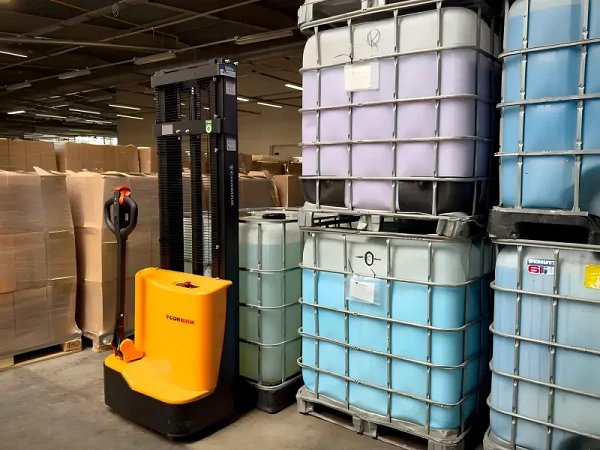
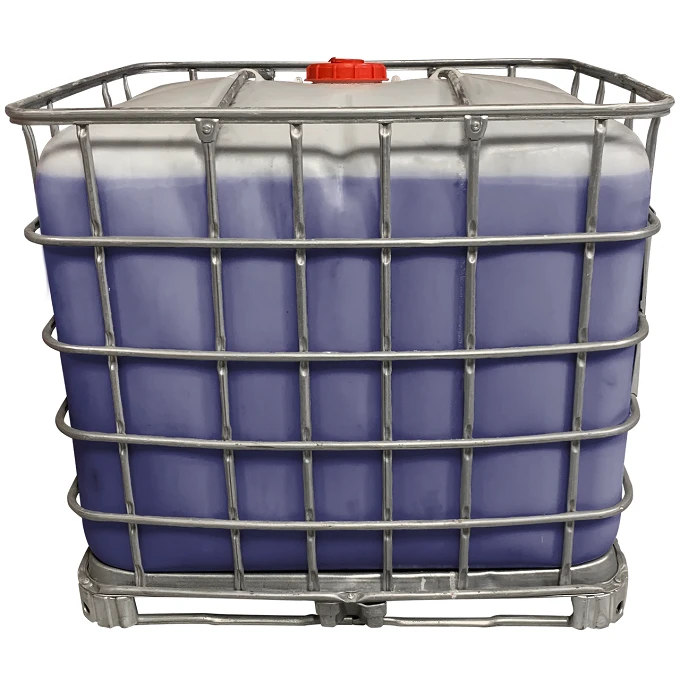
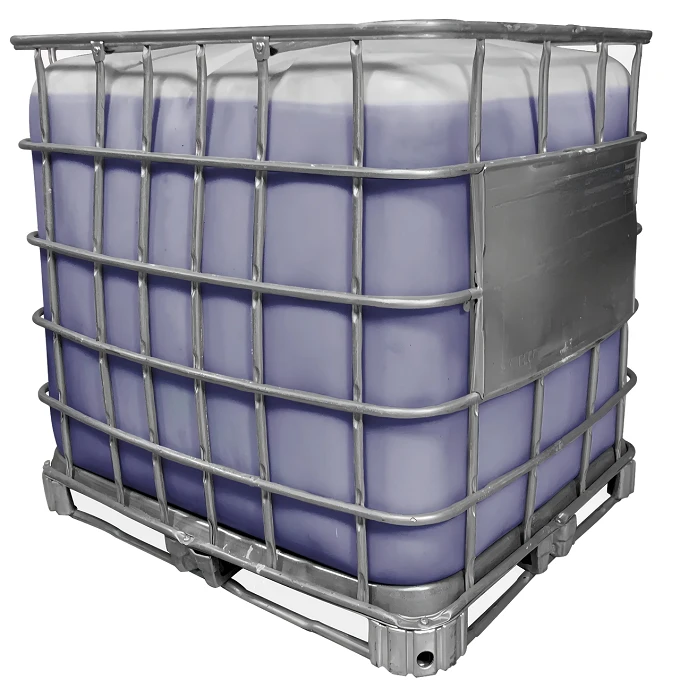
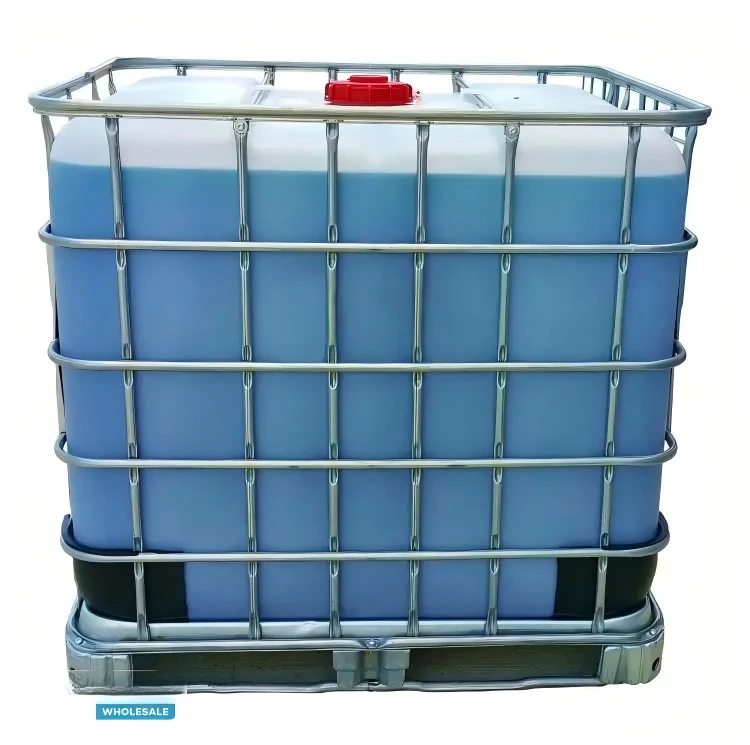
IBC laundry detergent is liquid laundry detergent supplied in an Intermediate Bulk Container - typically 1,000 L reusable totes - instead of retail bottles or case packs. It serves industrial laundries, commercial facilities, distributors, and reprocessing buyers who move volume rather than single units.
The shift from case-pack purchasing to tote-scale procurement is driven by cost per liter. Buying an ibc tote laundry detergent load consolidates dozens of pallets of retail packaging into one handling unit, cutting packaging spend, reorder frequency, and freight overhead in a single decision.
IBC vs. Drums vs. Retail Packaging: A Quick Orientation
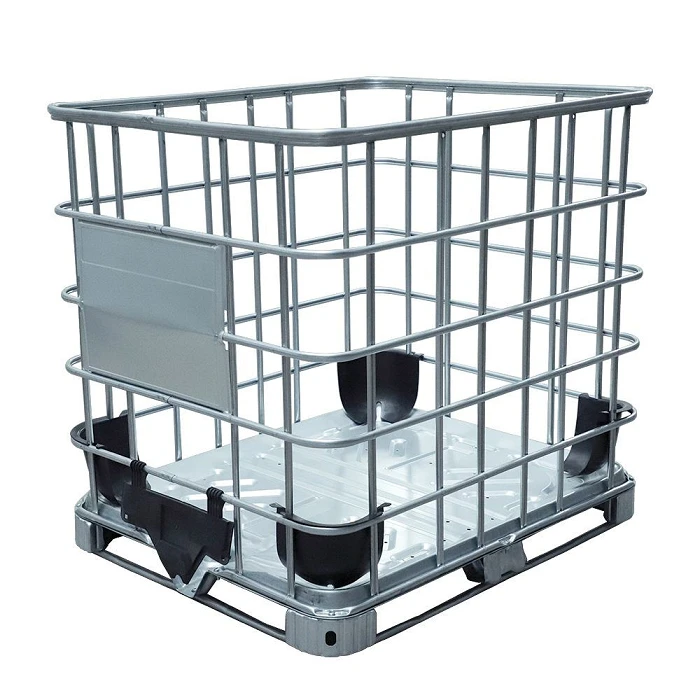
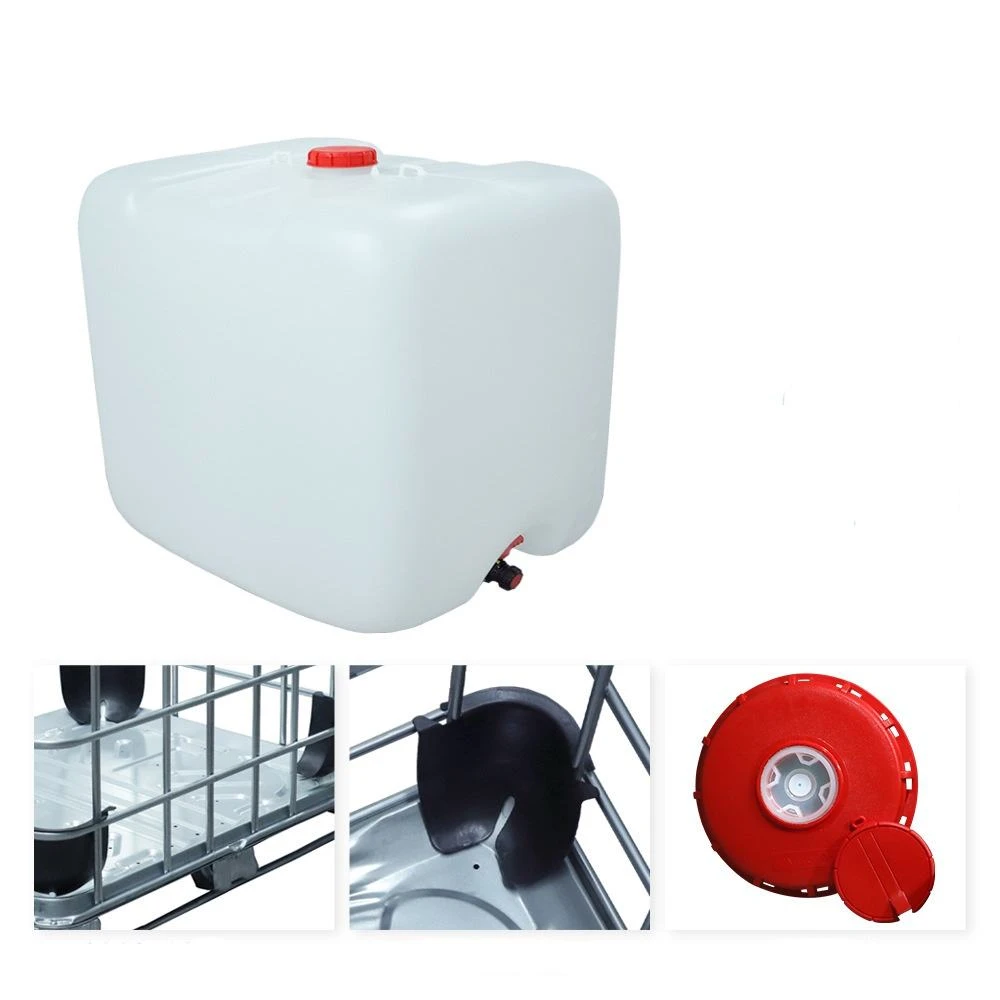
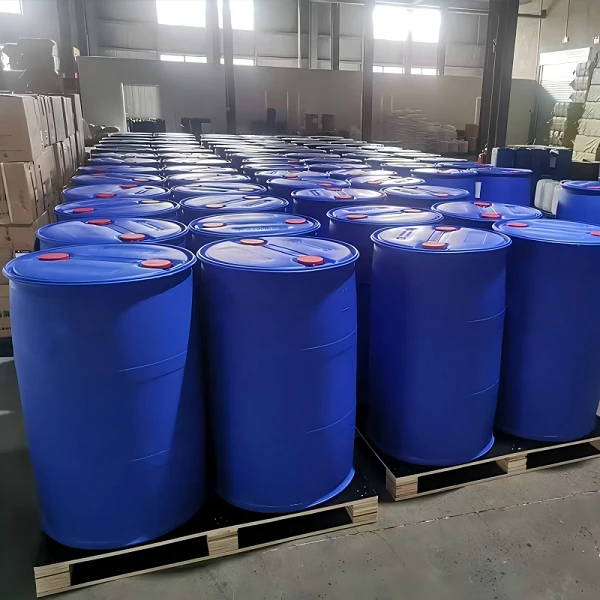
- The terminology matters when you write a purchase order. An IBC Tote holds roughly 1,000 L; a standard drum holds around 200–205 L; retail SKUs run 1–5 L. Choosing the right format is a landed-cost decision, not just a container preference.
- IBC tote - ~1,000 L, the workhorse for industrial and reprocessing volume.
- Drum - ~200 L, a bridge format for mid-size facilities.
- Retail pack - 1–5 L, highest cost per liter.
Importantly, "IBC laundry detergent" spans two things: finished detergent, and concentrate base intended for local dilution or refilling. Youming Group supplies both.
Two Formulation Tracks: Concentrated vs. Ready-to-Use
You are not locked into one fixed product. We formulate to your logistics and end-use, which is the core reason buyers with different projects source from the same supplier.
Concentrated Formula - Built for Freight Efficiency
Concentrate carries a higher active surfactant load and is designed for local dilution or further processing. Because you ship less water, the per-wash shipping cost drops sharply. Typical concentrates run at 3x–5x the standard use dilution, so one tote of concentrate can replace three to five totes of ready-to-use liquid on the water.This makes Bulk Liquid Products particularly suitable for long-distance import and downstream processing.
Ready-to-Use (RTU) Formula - Dispense Straight from the Tote
RTU is for commercial laundries and facilities that want zero downstream mixing. Connect a pump, dispense, wash. It fits on-premise laundry, hospitality linen programs, and healthcare textile lines where operators need consistency without any blending step or mixing equipment on site.
Choosing Concentration by Transport, Use, and Project Need
Match the dilution ratio to shipping distance, on-site mixing capability, and whether the product is resold, refilled, or used as-is.
|
Buyer Scenario |
Recommended Track |
Rationale |
|
Long-haul import + local blending |
Concentrate base |
Ship less water, dilute on arrival |
|
Commercial laundry, no mixing gear |
Ready-to-use |
Immediate dispense from tote |
|
Repackaging / private label refill |
Concentrate or RTU base |
Flexible downstream filling |
Finished Product or Raw Base: Two Ways to Buy from Youming Group
The dual supply model is central. You take finished detergent ready for the wash floor, or you take raw material and base for secondary processing at your own facility - whichever lowers your total cost and fits your branding plan.This flexible model supports different Bulk Cleaning Products requirements without forcing every buyer into the same formulation or packaging format.
Finished IBC Detergent for Direct Use or Resale
Delivered ready for dispensing or repacking into smaller SKUs. This suits distributors and facilities that want a turnkey industrial ibc laundry detergent supply with no in-house processing.
Detergent Base / Raw Material for In-House Reprocessing
For customers who dilute, adjust actives, add fragrance or enzymes, and fill their own bottles locally. Importing base instead of finished liquid cuts freight and unlocks local branding - you control the last step of the product. This is where large-volume wholesale detergent IBC tank buyers find the strongest margin.
Product Directions & Specifications
Product Range in IBC Format
Our range covers IBC-packaged liquid cleaners, large-format liquid wash products, and commercial-grade liquid cleaning solutions. It is not a single fixed SKU - formulation, concentration, and additives are set by the project.
Typical Specification Table
|
Parameter |
Concentrated |
Ready-to-Use |
|
Appearance |
Viscous liquid |
Free-flowing liquid |
|
pH (1% solution) |
8.0–9.5 |
7.5–8.5 |
|
Active matter |
25–35% |
8–15% |
|
Density (g/mL) |
1.03–1.08 |
1.00–1.04 |
|
Fill volume |
1,000 L IBC |
1,000 L IBC |
|
Shelf life |
18–24 months |
12–18 months |
Note: exact specs are formulated per project; figures reflect typical industry ranges.
Grade, Composition & Application Fit
Formulations are built on blended anionic and nonionic surfactant systems - the balance controls foam, soil removal, and rinsability. Optional enzymes (protease, amylase, lipase) target protein, starch, and grease soils, while optical brighteners and fragrance are added or omitted per market.
For high-efficiency (HE) and industrial tunnel washers, low-foam variants are essential; excess foam disrupts mechanical action and extends rinse cycles. Fragrance-free and dye-free grades serve healthcare and sensitive-skin linen programs.
Primary Application Scenarios
The focus is B2B, not ordinary retail shelves.
Industrial Cleaning Applications
High-throughput textile plants and workwear laundering, where a facility may process several tonnes of linen per shift and consumes detergent faster than drum supply can economically support.
Commercial Cleaning Applications
Hotels, hospitals, uniform rental services, and on-premise laundries - steady, predictable demand that rewards tote-scale supply and consistent batch quality.
Bulk Procurement & Downstream Filling
Distributors, blenders, and private-label brands that fill smaller packs from an ibc laundry detergent supplier. Buying base and filling locally turns imported liquid into a branded local product line.
The Business Case: Concentrated Formula + Large-Volume Packaging + Freight Savings
"The tote is big" is not the pitch. The value is what tote-scale concentrate does to your total landed cost.
How Bulk IBC Buying Lowers Total Landed Cost
Fewer purchase orders, reduced restocking frequency, and better freight utilization per liter compound quickly. Industry estimates in 2024 put packaging cost per liter for IBC supply at roughly 30–50% below equivalent case packs, since you're not paying for thousands of bottles, caps, and labels.
Concentration multiplies the effect. Shipping a 4x concentrate instead of RTU can cut freight volume on the active product by up to ~60%, because you stop paying ocean and inland rates to move water. For long-haul import buyers, that is often the single largest line-item saving - many practitioners report freight as 15–25% of landed detergent cost before optimization.
Pros & Cons: IBC Bulk vs. Traditional Packaging
|
|
Pros |
Cons |
|
IBC bulk |
Lower per-liter cost, fewer reorders, freight-optimized, reusable/returnable totes |
Requires storage space, dispensing equipment, higher upfront order value |
|
Case/retail packs |
Low entry volume, portable, no dispensing gear |
Higher unit cost, frequent reordering, more packaging waste |
Safety, Handling & Compliance
Detergent concentrates are chemical products and must be handled as such - hazard context is never optional.
Handling & Storage
Store between 5–40°C, avoid freezing, and keep containers sealed to prevent contamination and evaporation. Use pumps, valves, and hoses chemically compatible with alkaline surfactant liquids. Operators should wear gloves and eye protection per the SDS, as concentrates can cause eye and skin irritation.
Regulatory Documentation
We provide an SDS/MSDS for every product, a Certificate of Analysis (COA) per batch, and GHS-compliant classification and labeling. For EU-bound shipments, REACH considerations apply to the surfactants and additives used. Finished laundry detergents are typically GHS-classified for eye and/or skin irritation depending on active load and pH - the exact classification is stated on each product's SDS.
How to Choose the Right IBC Detergent Supplier
When evaluating a Cleaning Product Manufacturer, buyers should look beyond price and compare production capacity, formulation flexibility, documentation, and export experience.
- Manufacturing capacity - can they reliably fill full-container-load orders on schedule?
- Formulation flexibility - both concentrate and RTU, adjustable actives and additives.
- OEM/ODM and private-label capability - can they build a product to your brief?
- Documentation completeness - SDS, COA, GHS, REACH on demand.
- Export experience - correct labeling, dangerous-goods handling where relevant, and destination-market compliance.
OEM / ODM & Private Label Programs
Youming Group develops buyer-owned product lines: custom formulation, fragrance and color, viscosity, and branded filling. Whether you want a finished private-label SKU or a base to finish yourself, the program scales from a single tote pilot to routine container shipments.
Common Mistakes to Avoid When Buying IBC Detergent
- Ordering RTU when concentrate would slash freight - on long-haul lanes this quietly inflates landed cost.
- Ignoring dilution and dispensing setup - concentrate needs mixing capability and metering pumps on site.
- Skipping COA verification - always confirm active matter and pH against the batch certificate.
- Underestimating storage and temperature needs - freezing or heat exposure can destabilize the product.
Frequently Asked Questions
How much laundry detergent is in one IBC tote?
A standard IBC tote holds approximately 1,000 liters, equivalent to hundreds of retail bottles consolidated into one reusable container.
Is concentrated or ready-to-use better for import?
Concentrate is usually better for long-haul import because you ship less water and cut freight cost. Ready-to-use suits buyers without on-site mixing capability who want to dispense straight from the tote.
Can I buy detergent base to fill my own bottles?
Yes. Youming Group supplies raw detergent base for downstream dilution, adjustment, and local filling - ideal for private-label brands and blenders building their own product lines.
Do you provide SDS, COA, and REACH documentation?
Yes. We provide full compliance documentation, including SDS/MSDS, a COA per batch, GHS labeling, and REACH support for the destination market.
What's the minimum order quantity for IBC detergent?
MOQ is flexible - from a single tote for pilots and trials up to full-container loads for established programs. We scope volume against your project and destination.
Ready to Source at Scale? Talk to Youming Group
Whether you need finished wholesale ibc laundry detergent ready to dispense or a concentrated base to process at home, Youming Group has the manufacturing capacity to deliver real volume - with the formulation flexibility to match your freight, use, and branding.
Tell us your target volume, preferred concentration, and destination market, and we'll return a custom quote, spec sheet, and sample. Build your Bulk Liquid Supply program with a manufacturer equipped for both finished product and raw material. Contact Youming Group today for a tailored proposal.