


Is It Okay to Use Too Much Laundry Powder?
May 07, 2026
Leave a message
Using Too Much Laundry Powder
Using too much laundry powder does not improve washing results. In many cases, it has the opposite effect and leaves clothes less clean.
When laundry detergent is overdosed, it often does not fully dissolve during the wash cycle. This can lead to residue on fabric, a stiff or rough hand feel, and gradual buildup inside the washing machine over time. In low-water modern machines, the problem becomes even more noticeable because there is less water to rinse everything away properly.
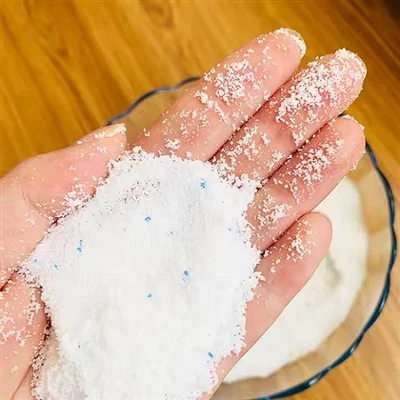

Laundry Powder: How It Works
Laundry powder cleans through surfactants, which help lift dirt and oil from fabric so they can be removed with water during the wash cycle.
- Surfactants attach to grease and dirt, loosening them from fabric fibers
- During rinsing, water carries away the lifted particles and detergent
- Clean fabric is left behind once soil and residue are fully removed
When too much laundry powder is used, the process becomes less efficient:
- Excess surfactants create too much foam, which can interfere with washing action
- Low-water machines may not rinse thoroughly, leaving residue behind
- Loosened dirt can redeposit onto clothes instead of being fully washed away


Problems from Too Much Laundry Powder
Effects on clothing
Overusing laundry powder often shows up directly on fabrics after washing. Instead of improving cleanliness, it can leave visible and physical residues on clothes.
- White streaks or powder marks, especially on dark garments
- Fabrics feeling stiff, dry, or less comfortable to wear
- Odors becoming trapped inside fibers instead of being removed
Effects on washing machines
Excess detergent also affects how the machine operates over time. Modern low-water systems are particularly sensitive to overdosing.
- Too much foam can interrupt normal wash and rinse cycles
- Detergent buildup may form inside the drum and internal pipes
- A damp or musty smell can develop inside the machine
Skin and comfort issues
Residual detergent left on fabrics can transfer to the skin after washing, especially for sensitive users.
- ·Mild irritation or discomfort after wearing freshly washed clothes
- ·Redness or itching in more sensitive skin types
- ·In some cases, contact dermatitis triggered by residue buildup
Environmental impact
Overuse of laundry detergent also increases resource consumption during washing.
- Extra rinse cycles needed to remove remaining foam
- Higher water usage per wash
- Increased chemical load in wastewater systems


Signs of Using Too Much Laundry Powder
Overusing laundry powder usually shows up quickly in both your clothes and your washing machine.
- A musty or slightly sour smell coming from the washing machine after cycles
- Towels that feel stiff and no longer absorb water properly
- Noticeable foam or residue remaining even after the rinse cycle ends
- Clothes looking dull, cloudy, or less bright than before washing
These signs often indicate that detergent is not being fully rinsed out during the wash process.


Correct Laundry Powder Dosage
What affects how much to use
The right amount of laundry powder is not fixed, it changes depending on washing conditions. Using the same dose for every load often leads to either residue or weak cleaning performance.
Several factors influence dosage:
- Load size, whether it is a small daily wash or a full heavy load
- Soil level, from lightly worn clothes to visibly dirty fabrics
- Water hardness, since hard water reduces cleaning efficiency
- Machine type, as HE machines use less water than standard washers
Practical guide for everyday use
For a normal household load, about 2 tablespoons of laundry powder is usually sufficient to clean effectively without excess residue.
Adjustments should stay minimal:
- Heavier loads may require up to 3–4 tablespoons depending on fabric volume
- Hard water conditions may need a slight increase to maintain cleaning performance
Keeping dosage controlled helps ensure better rinsing, cleaner fabrics, and more stable machine performance over time.

Fix Laundry Powder Buildup
Removing residue from clothes
If too much laundry powder has already been used, residue on fabric can usually be reduced with a few simple steps.
Soaking clothes in warm or hot water helps loosen trapped detergent. Adding a small amount of white vinegar or baking soda can further break down residue. After soaking, rinsing thoroughly without adding detergent helps clear what remains in the fabric.
Cleaning buildup in the washing machine
Detergent buildup inside the machine can also be reduced with regular maintenance.
Running an empty hot wash cycle helps dissolve leftover residue. Adding white vinegar or a dedicated machine cleaner supports deeper cleaning of internal parts and helps restore normal washing performance.


Laundry Powder Mistakes to Avoid
Using more laundry powder does not mean cleaner clothes. Most issues come from small dosage habits that build up over time.
- Avoid filling the scoop to the top, as most products are already concentrated and require less than a full measure
- Avoid guessing the amount, since different loads and water conditions require different dosages
- Avoid adding extra powder for "stronger cleaning," because overdosing often reduces rinsing efficiency instead of improving results
- Avoid ignoring machine type, since high-efficiency (HE) machines use much less water and need lower detergent input
Correct dosing is less about effort and more about matching the product to your washing conditions.


Youming Laundry Powder Approach
At Youming, laundry powder is developed around controlled dosage and stable performance, so cleaning works effectively without unnecessary excess.
Our formulation focuses on delivering strong stain removal with a smaller amount per wash, reducing the chance of residue on fabrics, and ensuring stable performance in modern high-efficiency washing machines.
FAQ
Can too much laundry powder damage washing machine?
Yes. It creates soap buildup, blocks drainage, and causes odors.
Why do clothes feel stiff after washing?
Because excess detergent sticks to fabric fibers and is not fully rinsed out.
How much laundry powder should I use?
Usually 2 tablespoons for a standard load in modern washing machines.