

How to Choose Scented Candles for Home Fragrance and Safety
Mar 05, 2026
Leave a message
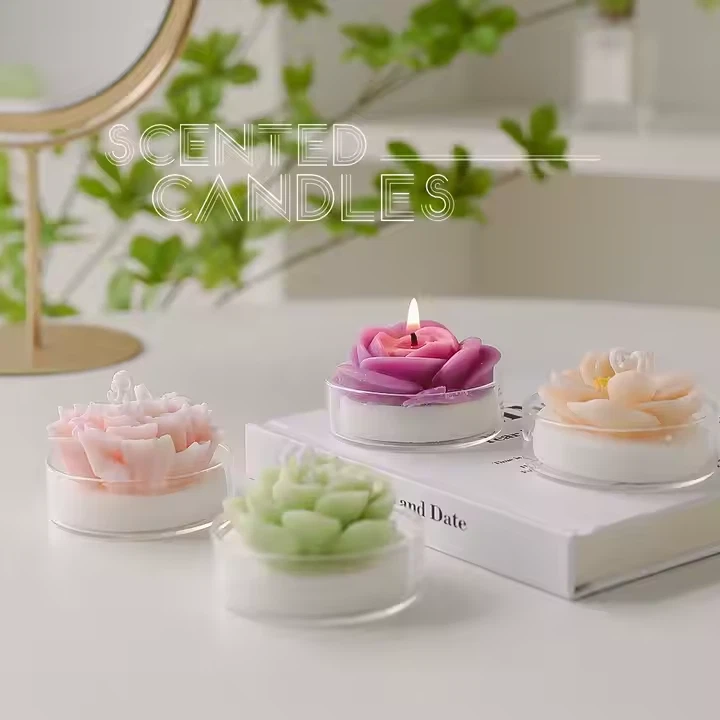
Choosing a scented candle isn't just about picking the first fragrance you like. The best scented candles for home combine clean-burning materials, safe ingredients, and a scent strength that truly fills your space.
Whether you're buying for relaxation, entertaining guests, or simply elevating everyday ambiance, understanding what makes a high-quality candle can help you avoid smoke, weak scent throw, or unsafe materials.
In this guide, you'll learn how to choose scented candles based on wax type, wick quality, fragrance structure, room placement, and safety standards.


What Are Scented Candles?
Scented candles are candles infused with fragrance oils that release pleasant aromas when burned. They are widely used to create a relaxing atmosphere, enhance home environments, and support aromatherapy experiences. As the candle burns, the melted wax gradually releases fragrance into the air, filling the space with a consistent scent.
|
Feature |
Description |
|
Product Type |
Fragrance candle |
|
Main Components |
Wax, fragrance oil, wick |
|
Function |
Releases aroma when burning |
|
Common Uses |
Home fragrance, relaxation, ambience |
|
Popular Locations |
Living rooms, bedrooms, bathrooms, spas |
Unlike ordinary candles used mainly for lighting, scented candles are designed to combine visual ambience with fragrance diffusion. Different wax types, fragrance blends, and container designs allow brands to create unique scented candle collections for various markets and consumer preferences.

Choosing the Right Wax and Wick
The wax and wick are two key components that influence how scented candles burn and release fragrance. A well-balanced combination ensures clean combustion, stable flames, and effective scent diffusion.
Natural Wax vs. Paraffin
The type of wax determines how cleanly and efficiently a candle burns.
Paraffin wax is widely used because it is affordable and provides strong fragrance throw. However, poorly formulated paraffin candles may produce visible soot.
Plant-based waxes such as soy, coconut, or rapeseed are increasingly popular in modern scented candles. These waxes tend to burn cleaner and are often chosen for eco-conscious homes.
Many manufacturers now use blended wax formulas. By combining natural wax and paraffin, these blends can improve scent diffusion, burn time, and structural stability.
Cotton vs. Wood Wicks
The wick controls how the candle burns and how fragrance is released.
Cotton wicks are the most common option in scented candles. They provide a steady flame and burn quietly, making them suitable for everyday home use.
Wood wicks create a wider flame and produce a gentle crackling sound while burning. This design can enhance fragrance diffusion and create a more atmospheric experience.
Regardless of the wick type, it should always be lead-free and properly sized for the container to prevent tunneling or excessive smoke.
Hot Throw vs. Cold Throw: Understanding Scent Strength
When choosing scented candles, fragrance strength is often described using two terms: cold throw and hot throw. Understanding the difference helps you evaluate how well a candle will actually scent a room.
Cold Throw
Cold throw refers to the fragrance you smell when the candle is unlit. This is the scent people notice when they pick up a fragrance candle in a store.
A pleasant cold throw can make a scented candle more appealing at first impression. However, it does not always indicate how strong the candle will smell when burning.
Hot Throw
Hot throw describes the fragrance released while the candle is burning. This is the most important factor in determining whether a perfumed candle can effectively fill a room with scent.
A well-formulated aromatic candle should provide noticeable fragrance without becoming overwhelming. The scent should also spread evenly through the space and remain consistent throughout the burn.
For larger rooms or open layouts, choosing scented candles specifically designed for a strong hot throw can help ensure better fragrance coverage.


Understanding Fragrance Structure
High-quality scented candles are often designed using the same fragrance structure found in fine perfumes. Instead of releasing a single scent, a well-crafted fragrance candle develops in layers as it burns.
These layers are known as top notes, middle notes, and base notes. Together, they create a balanced aromatic experience that evolves over time.
Top Notes
Top notes are the first scents you notice when the scented candle is lit. These aromas are typically light, fresh, and immediately noticeable, helping create the initial impression of the fragrance.
Common top notes include citrus, herbs, and light fruits.
Middle Notes
Middle notes form the core character of the fragrance. They emerge after the top notes begin to soften and usually define the main personality of the aromatic candle.
Typical heart notes include florals, spices, and green botanical scents.
Base Notes
Base notes provide depth and longevity. These scents appear later in the burn and tend to remain noticeable even after the candle is extinguished.
Common base notes include vanilla, amber, sandalwood, and musk.
A well-balanced perfumed candle allows these layers to transition smoothly rather than disappearing suddenly, creating a richer and more consistent fragrance experience.

Best Scented Candles for Each Room
Different spaces in your home require different fragrance strengths and profiles. Choosing the right scented candle for each room enhances ambiance and supports daily activities.
|
Room |
Recommended Fragrance |
Effect |
|
Living Room |
Sandalwood, Cedarwood, Vanilla, Soft Florals |
Creates a warm, inviting atmosphere for comfort and socializing |
|
Kitchen |
Lemon, Basil, Grapefruit, Thyme |
Neutralizes cooking odors and keeps the air fresh |
|
Bedroom |
Lavender, Chamomile, Soft Musk |
Promotes relaxation and restful sleep |
|
Bathroom |
Eucalyptus, Sea Salt, Linen |
Enhances cleanliness and provides a spa-like feel |
|
Home Office |
Rosemary, Peppermint, Citrus Blends |
Boosts alertness and focus during work |
For smaller rooms, lighter fragrance candles work best. In spaces with high ceilings or open layouts, select stronger aromatic candles to ensure even scent diffusion.
Are Scented Candles Safe? What to Look For
Safety should always be a top priority when choosing scented candles, whether for daily home use or special occasions. A well-crafted fragrance candle combines pleasant aroma with non-toxic, stable materials.
Phthalate-Free Fragrance Oils
Phthalates are sometimes added to fragrance oils to improve stability, but they may pose health risks when inhaled. Choose candles clearly labeled phthalate-free to ensure safer indoor air quality.
Compliance with International Standards
Trusted aromatic candle brands follow guidelines from regulatory organizations such as:
International Fragrance Association (IFRA)
European Chemicals Agency (REACH)
Compliance means that every fragrance component has passed safety screening and meets strict quality requirements.
Transparent Ingredient Disclosure
Brands that provide ingredient transparency or safety data sheets (SDS) show higher quality control. Knowing what goes into your perfumed candle allows you to make informed choices for your home.
Heat-Resistant Containers
Even the safest candle can become a hazard if the container cannot handle heat. Look for thick glass or ceramic vessels designed for prolonged use. Proper containers prevent cracking, tipping, or accidental fires while maintaining a clean burn.


Candle Care Tips for Longer Burn Time
Even the best scented candles require proper care to ensure a full, even burn and lasting fragrance. By following simple maintenance steps, you can enjoy your fragrance candle to its fullest while preventing common issues like soot, tunneling, or uneven melting.
Follow the First Burn Rule
During the first use, allow the wax of your aromatic candle to melt completely across the surface. This sets the "memory" of the wax and prevents tunneling, ensuring that subsequent burns release fragrance evenly.
Trim the Wick Regularly
Keep the wick of your perfumed candle trimmed to approximately 1/4 inch before each use. Proper wick maintenance stabilizes the flame, reduces soot, and promotes a cleaner, safer burn.
Store Candles Properly
To preserve fragrance integrity and prevent discoloration, store your scented candles in a cool, dry place away from direct sunlight. Avoid humid or excessively warm environments, which can soften wax or degrade essential oils.
FAQ
Is soy wax better than paraffin?
Soy wax is plant-based and renewable, often producing less visible soot. However, overall performance depends on formulation and wick pairing rather than wax type alone.
Why is my candle smoking?
Most commonly due to an untrimmed wick or air drafts. Trim the wick and keep the candle away from open windows or vents.
What type of candle has the strongest scent?
Blended wax candles designed for high fragrance load typically offer stronger hot throw. Look for products specifically labeled for large rooms.
Are essential oil candles safe for pets?
Not all essential oils are pet-friendly. Always check labeling and avoid candles containing ingredients known to be irritating to animals. When in doubt, consult your veterinarian and choose mild, clearly documented formulations.