


Top Custom Essential Oil Suppliers Guide for B2B Buyers (2026 Ranking)
Aug 05, 2026
Leave a message

Introduction
Choosing the right essential oil supplier is not only about finding a good scent. For brands, retailers, and distributors, the real challenge is finding a manufacturer that can deliver consistent quality, flexible customization, reliable production, and long-term supply support.
This guide compares leading essential oil suppliers and explains what B2B buyers should evaluate before starting an OEM, private label, or wholesale project.

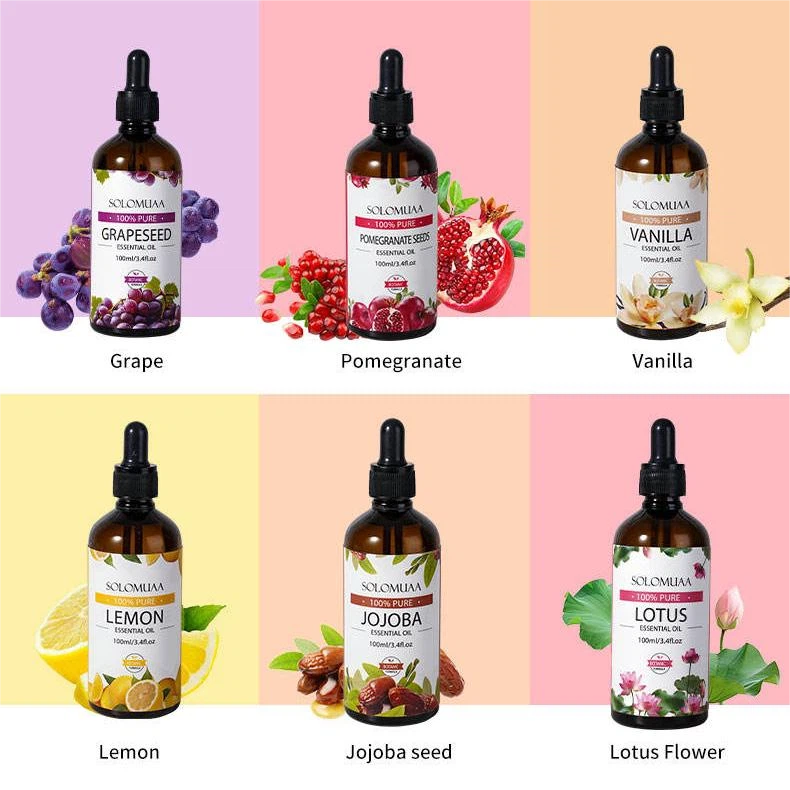
Essential Oil Suppliers Comparison
Before choosing an essential oil supplier, B2B buyers should understand that different suppliers serve different business needs.
A large essential oil brand may have strong consumer recognition, while an OEM manufacturer may provide better customization and production flexibility. The right choice depends on whether your business needs finished products, raw materials, or private label manufacturing support.
Below are several recognized companies in the essential oil industry that buyers may compare when researching suppliers.
Youming Group
Best for: Brands looking for OEM, ODM, and private label essential oil manufacturing support.
Youming Group provides custom manufacturing solutions for brands developing essential oil, home fragrance, and personal care products.
Custom Essential Oil Development
Brands can customize products based on their target market, product positioning, and customer needs.
Customization options may include:
- Scent profiles: Lavender, citrus, floral, woody, herbal, mint, and other fragrance directions based on market preferences
- Functional blends: Relaxation, sleep support, refreshing, stress relief, focus, and other wellness-inspired product concepts
- Product applications: Essential oils for diffusers, aromatherapy products, personal care, and home fragrance lines
- Private label options: Custom branding, labels, and product presentation for retail and online channels
Packaging Options
Youming Group supports different packaging requirements for essential oil products, including:
- Glass bottles in different sizes and styles
- Dropper bottles, roller bottles, and diffuser packaging
- Custom labels, boxes, and retail-ready packaging solutions
With automated manufacturing systems, Youming Group improves production efficiency by reducing repetitive manual steps, maintaining consistent filling processes, and supporting stable production for larger wholesale orders.

doTERRA - Established Essential Oil Brand
Known for: Premium essential oil products and global consumer recognition.
doTERRA has built a strong position in the essential oil market through product education, wellness branding, and a large customer community.
For B2B buyers researching the market, doTERRA can be a useful reference for understanding consumer preferences, product positioning, and successful essential oil branding strategies.
Companies looking for private label or custom essential oil production, however, usually need to work with an OEM manufacturer rather than a consumer brand.
Young Living - Large Essential Oil Brand
Recognized for: A broad essential oil product portfolio and established wellness market presence.
Young Living operates one of the better-known essential oil brands globally, offering single oils, blends, and wellness-related products.
For businesses studying successful essential oil product lines, the company provides insights into:
- Product range development
- Customer education strategies
- Retail positioning
Brands that need custom formulas, packaging control, or contract manufacturing typically require a dedicated OEM supplier.
Mountain Rose Herbs - Botanical Ingredient Supplier
A good match for: Businesses sourcing natural ingredients and organic essential oils.
Mountain Rose Herbs focuses on herbs, botanical ingredients, and natural products. Its strength is ingredient sourcing and organic product selection.
Suitable applications include:
- Natural product development
- Ingredient sourcing
- Businesses with existing manufacturing capabilities
Companies without internal production teams may need additional support for blending, filling, labeling, and finished product manufacturing.

Plant Therapy - Consumer Essential Oil Specialist
Plant Therapy focuses on retail essential oil products for aromatherapy and personal wellness customers.
Its market strength comes from:
- Wide product selection
- Consumer-friendly positioning
- Educational content around essential oil usage
For businesses researching retail trends, Plant Therapy offers useful insights into popular product categories and customer expectations.
Florihana - Organic Essential Oil Producer
Focused on: Organic essential oils and botanical extraction.
Florihana specializes in organic essential oils and hydrosols produced through its own distillation processes.
Key characteristics:
- Organic ingredient focus
- Botanical sourcing expertise
- Single-origin essential oil options
This supplier model is suitable for buyers prioritizing raw material quality and natural sourcing. Brands requiring complete private label manufacturing may need additional production partners.
Edens Garden - Retail Product Development Reference
Popular among: Buyers researching consumer essential oil products and market trends.
Edens Garden offers a wide range of essential oils, blends, and wellness products for retail customers.
Its strengths include:
- Strong product portfolio
- Consumer-focused branding
- Market understanding
For companies developing their own essential oil lines, an OEM manufacturer may provide more flexibility for custom formulas, packaging, and production.

Bulk Apothecary - Wholesale Ingredient Supplier
Suitable for: Businesses purchasing essential oils and ingredients in bulk quantities.
Bulk Apothecary provides wholesale essential oils, fragrance ingredients, and related materials for businesses that already have their own production or formulation capabilities.
Key advantages:
- Bulk purchasing options
- Wide ingredient selection
- Wholesale supply support
For brands needing a complete solution from product development to finished goods, an OEM manufacturing partner is usually a better option.

How to Evaluate Essential Oil Manufacturers
Choosing an essential oil manufacturer requires more than comparing product prices. For B2B buyers, the right supplier should provide consistent quality, reliable production, and the flexibility to support different product requirements.
Many sourcing problems happen after the first order, including inconsistent batches, unclear product ownership, delayed production, or packaging issues. Before placing a wholesale or private label order, buyers should evaluate the supplier's manufacturing capability, quality systems, and supply chain support.
Production Capability and Custom Development
A reliable custom essential oil manufacturer should be able to support both product development and stable production at commercial scale. The goal is not only to create a good sample, but to ensure the same product quality can be maintained during larger orders.
When evaluating a manufacturer, buyers should consider:
- Whether the supplier can support both initial testing orders and larger production volumes
- Whether production processes are standardized to maintain consistency
- Whether the factory has suitable equipment for accurate filling and efficient production
- Whether the supplier can coordinate finished products, including packaging and final preparation
For brands developing private label essential oils, customization ability is also an important factor. A capable supplier should understand the relationship between fragrance concept, target customers, product application, and market positioning.
Customization may involve:
- Essential oil scent direction, such as floral, citrus, woody, herbal, or refreshing profiles
- Functional product concepts, such as relaxation, sleep, focus, or wellness-inspired blends
- Different product formats for diffusers, aromatherapy, home fragrance, or personal care applications
A strong manufacturing partner does not only ask what product you want to make. They should also understand why the product is being developed and who the final customers are.
High production efficiency comes from process control, not simply having a large factory. For example, automated filling systems can reduce variation between bottles, while standardized production procedures help maintain consistency between different production batches.

Quality Control, Documentation, and Compliance
For essential oils wholesale and OEM projects, quality control is one of the most important factors when selecting a supplier. Buyers need more than a product sample; they need confidence that future production will meet the same requirements.
Before moving into bulk production, companies should check whether suppliers can provide appropriate quality records, such as:
- Product specifications and technical information
- Safety Data Sheets (SDS)
- Certificates of Analysis (COA)
- Batch testing records when applicable
This is especially important for essential oils because natural ingredients can vary depending on plant source, harvest conditions, and extraction methods.
A professional manufacturer should have processes to monitor these variations and maintain product consistency throughout production. Good quality management helps reduce the risk of receiving products that differ from the approved sample.
MOQ, Packaging, and Supply Chain Support
For many brands, MOQ is an important consideration when choosing an essential oil supplier. However, the lowest minimum order quantity does not always mean the best option.
MOQ can be affected by several factors:
- Bottle type and packaging selection
- Label printing requirements
- Custom formula development
- Production process and order volume
Startups may prefer flexible order quantities to test the market, while established brands may prioritize production capacity, delivery reliability, and long-term supply stability.
Packaging should also be considered early in the sourcing process. A supplier with experience in custom essential oil products should understand:
- Bottle and closure compatibility
- Label requirements
- Filling and packing processes
- Carton packaging and export preparation
A manufacturer that can coordinate multiple production steps helps reduce communication problems and makes the overall supply chain more efficient.

Common Mistakes When Choosing an Essential Oil Supplier
Choosing the right essential oil supplier is not only about finding a competitive price. For brands purchasing wholesale essential oils or developing private label products, supplier decisions can affect product quality, launch timelines, and long-term business growth.
Many sourcing problems happen because buyers focus on short-term savings and overlook factors that influence the entire production process.
Choosing Only Based on Price
The lowest quotation does not always mean the lowest overall cost.
For custom essential oil projects, a cheaper supplier may create additional costs through inconsistent quality, delayed production, or packaging problems that affect the final product launch.
Common issues may include:
- Product quality differences between batches
- Delays caused by unstable production processes
- Additional costs from rejected or reworked shipments
- Packaging problems discovered after production begins
A reliable manufacturer should provide value through stable production, clear communication, and predictable delivery - not only a lower unit price.
Ignoring Formula Ownership and Product Exclusivity
For brands investing in custom essential oil development, understanding formula ownership is an important step before starting production.
Buyers should confirm:
- Who owns the final formula after development
- Whether the formula is exclusive to their brand
- Whether similar products can be supplied to other customers
This is especially important for brands building a unique market position. A customized scent or functional blend may become an important part of the brand identity, so clear agreements help protect long-term product differentiation.
Not Checking Production Consistency
A sample only represents one production stage. It does not automatically guarantee that future bulk orders will have the same quality.
Before placing larger orders, buyers should understand how an essential oil manufacturer controls consistency between different production batches.
Important factors include:
- Standardized production procedures
- Quality checks during manufacturing
- Proper batch records and product documentation
A professional supplier should be able to maintain consistency from the approved sample through mass production, helping brands avoid unexpected differences after market launch.

Essential Oil OEM Process: From Concept to Production
A successful essential oil OEM project involves more than approving a fragrance sample. For brands developing custom essential oils, the process usually includes product planning, sample development, packaging confirmation, production preparation, and quality control.
Understanding the process helps buyers communicate more effectively with manufacturers and avoid delays during product launch.
Product Planning and Requirement Confirmation
Every custom essential oil project starts with defining the product direction.
Before development begins, the manufacturer needs to understand the brand's target customers, product application, scent preferences, packaging expectations, and expected order volume.
For example, a spa brand developing relaxing diffuser oils may focus on calming scent profiles and premium packaging, while an online retailer launching private label essential oils may prioritize market testing, cost control, and flexible production quantities.
Clear communication at this stage helps both sides create a realistic development plan.
Sample Development and Product Adjustment
After confirming the product requirements, the manufacturer develops samples based on the agreed direction.
During this stage, buyers usually evaluate the overall product experience, including:
- Scent performance and fragrance balance
- Product appearance and packaging compatibility
- Suitability for the target market
Sample development is not simply about creating a pleasant aroma. The product also needs to match production requirements, customer expectations, and the brand's positioning.
A reliable custom essential oil manufacturer should be able to collect feedback, make adjustments, and improve the formula before moving into bulk production.
Packaging Confirmation and Production Preparation
Packaging is an important part of essential oil products, especially for brands selling through retail or online channels.
Before production begins, manufacturers usually confirm details such as bottle style, closure type, labels, outer packaging, and shipping requirements.
Packaging mistakes can create unexpected costs or delay product launches. Working with a supplier that can coordinate both manufacturing and packaging helps simplify the process and reduces communication issues.
Bulk Production and Quality Control
After sample approval and packaging confirmation, the product moves into bulk production.
During manufacturing, the supplier focuses on maintaining:
- Consistent product quality between batches
- Accurate filling and packaging processes
- Final product inspection before shipment
For growing brands, the challenge is not only creating the first successful product, but ensuring the same quality when production increases from small test orders to larger wholesale volumes.
This is why choosing an experienced essential oil manufacturer with structured production processes is important for long-term supply stability.

FAQ
What should I look for in a custom essential oil manufacturer?
Look for a supplier with proven manufacturing experience, customization capability, quality control systems, production capacity, and reliable communication.
What is the difference between an essential oil supplier and an OEM manufacturer?
An essential oil supplier usually provides ready-made products or ingredients, while an OEM manufacturer helps brands develop customized products, private labels, packaging, and production solutions.
What is the typical MOQ for private label essential oils?
MOQ depends on factors such as formula requirements, packaging options, bottle selection, and production process, so buyers should choose a supplier based on their project stage and order goals.
How long does custom essential oil development take?
The timeline depends on product complexity, including sample development, adjustments, packaging confirmation, and bulk production requirements.
Can an essential oil manufacturer help with packaging?
Yes, many OEM manufacturers can support packaging options such as bottle sourcing, labeling, and finished product preparation.
Final Thoughts
Choosing the right essential oil supplier requires more than comparing prices. A reliable OEM partner should provide consistent quality, flexible customization, and stable production support for your business needs. If you are developing private label essential oils or exploring custom manufacturing, Youming Group can help turn your product ideas into finished products.
Contact Youming Group to discuss your custom essential oil manufacturing project.