


How to Choose an Essential Oils Supplier for Your Business
Mar 30, 2026
Leave a message
Understanding Your Business Needs Before Choosing a Supplier
Defining your business needs is the first step before selecting an essential oils supplier. Your choice will impact product quality, customer satisfaction, and brand reputation. Clarifying your niche ensures your supplier can meet formulation and performance requirements.
Identify Your Product Focus
- Therapeutic aromatherapy: Requires high-purity essential oils, GC/MS tested, with verified botanical origins.
- Natural cosmetics and skincare: Needs skin-safe botanical extracts and quality carrier oils for creams, lotions, or serums.
- Home fragrance: Focuses on scent throw, longevity, and cost-effective aromatic profiles for candles, diffusers, or fragrance oils.
Pure or Synthetic Oils
Pure essential oils: 100% natural plant extracts, essential for all-natural or organic brands, requiring strict supplier quality control.
Synthetic or blended oils: Often preferred for candles, perfumes, and diffusers due to stability and consistent aroma.
Aligning a supplier's expertise with your product type ensures your launch is smooth and avoids compromises on quality or performance.


Ensuring Volume and Scalability for Your Essential Oils Supply
Reliable suppliers are crucial for growing brands. Assessing volume and scalability early ensures uninterrupted production and prevents supply chain issues.
Key Considerations for B2B Buyers
Flexible Minimum Order Quantities (MOQs)
Choose a manufacturer that allows small test orders. This helps validate new product lines without excessive upfront inventory.
Capacity for Bulk Supply
Confirm your supplier can scale with your brand, consistently delivering bulk essential oils and carrier oils while maintaining quality and batch-to-batch consistency.
Lead Time Reliability
Reliable delivery schedules are essential. A supplier with predictable lead times supports seasonal demand and private label launches.
A scalable supplier ensures your business can expand without disruptions, allowing you to focus on product development and brand growth.
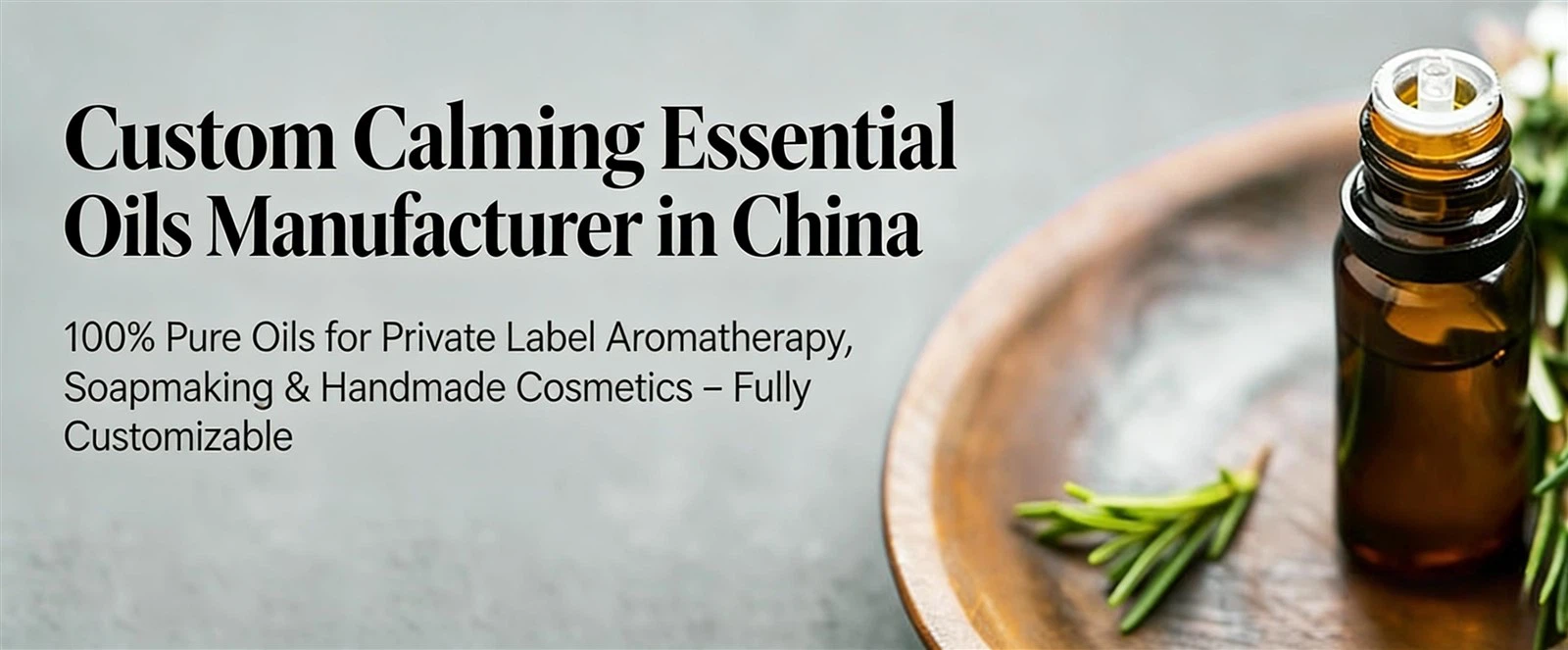
6 Non-Negotiable Criteria When Choosing an Essential Oils Supplier
Selecting the right supplier is critical. Overlooking any key criterion can compromise product quality and affect your brand reputation.
Purity and Quality Control
For products emphasizing essential oils, GC/MS-tested oils are a must. Always request batch-specific Certificates of Analysis (CoA) to verify purity. Suppliers unwilling to provide documentation may not meet your quality standards.
Transparent Sourcing and Harvesting
High-quality oils start at the source. Reliable suppliers openly share:
Botanical origins
Country of harvest
Sustainable and ethical farming practices
Transparency ensures consistency, traceability, and brand integrity.
Industry Certifications and Compliance
Verify that the supplier holds recognized certifications:
USDA Organic
ISO compliance
Good Manufacturing Practices (GMP)
Cruelty-free or ethical production standards
Certifications demonstrate adherence to international quality and safety standards.
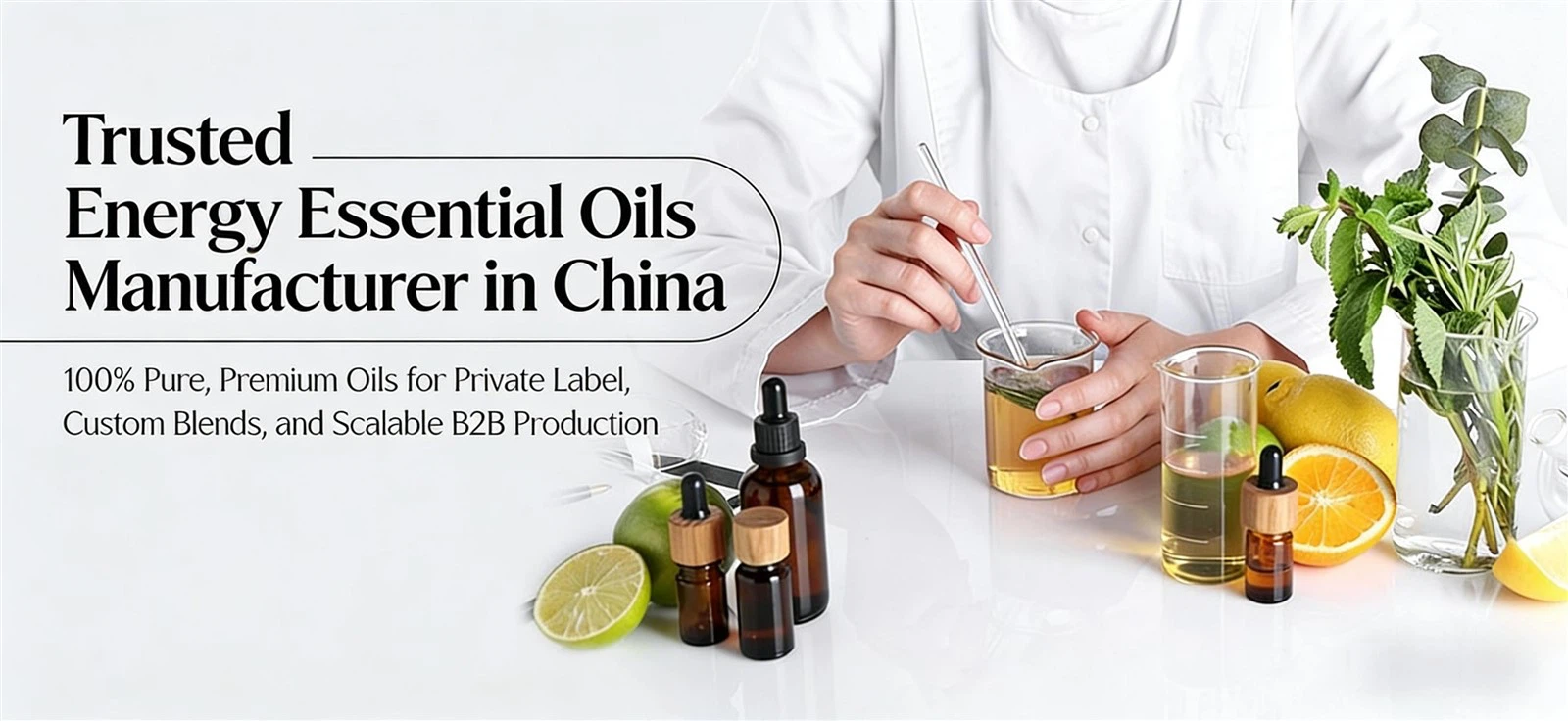
Comprehensive Product Portfolio
A supplier with a broad offering simplifies operations:
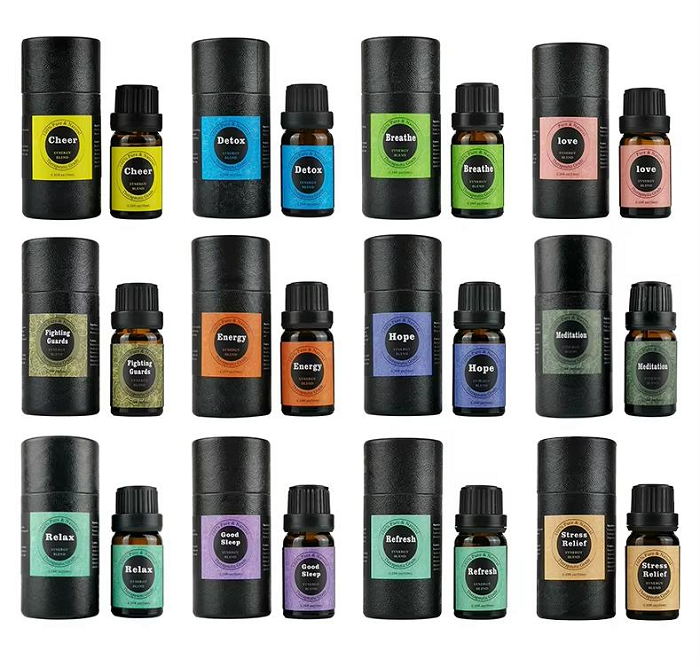
Single botanical extracts
Synergy blends for aromatherapy applications
Bulk carrier oils
Bulk essential oils
Working with one versatile supplier reduces vendor complexity and streamlines sourcing.
Packaging and Storage Standards
Proper packaging preserves oil integrity. Look for suppliers using:
Dark amber or cobalt glass containers
Climate-controlled storage to prevent UV damage and oxidation
These measures maintain the quality of fragrance oil products over time.
Customer Support and Industry Expertise
The right supplier acts as a partner, offering guidance on:
Formulation adjustments
Blending ratios
Stability testing
Scaling operations
Expert support ensures your brand can develop reliable and competitive products.

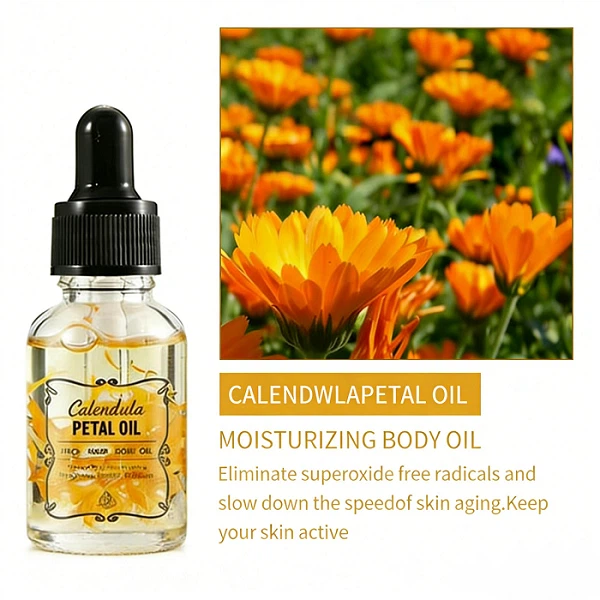
Major Red Flags When Choosing an Essential Oils Supplier
Identifying warning signs early helps prevent quality issues, product recalls, or brand damage. Watch out for the following red flags:
Unrealistically Low Pricing
If a supplier offers essential oils at suspiciously low prices, it usually signals adulteration or synthetic substitution. Authentic high-grade oils require significant raw materials, careful extraction, and strict quality control. Avoid compromises that could affect your product's performance or safety.
Incomplete or Vague Labeling
Reliable suppliers always provide clear botanical information:
Exact botanical names of the plant source
Accurate Latin names (e.g., Lavandula angustifolia instead of just "Lavender")
Country of origin
Missing or vague details may indicate low-quality or blended oils, which can undermine your brand reputation.
Lack of Documentation and Testing Transparency
Transparency is essential for B2B purchases. A trustworthy supplier should provide:
Certificates of Analysis (CoA)
Safety Data Sheets (SDS)
GC/MS testing reports
Suppliers that refuse to share these documents are a major red flag-do not proceed with them.

Step-by-Step Guide to Vetting Your Essential Oils Supplier
Selecting the right essential oils supplier ensures product quality, brand credibility, and smooth scaling. A structured approach helps reduce risks before placing bulk orders.
Step 1 – Evaluate Industry Reputation
A reliable supplier should demonstrate consistent quality and service. Check:
Verified B2B reviews and references from existing clients
On-time delivery history and batch consistency
Any past issues with synthetic dilution or quality complaints
Step 2 – Test Samples Thoroughly
Before committing, request a sample pack to verify product standards:
Aroma profile: Authentic, natural, and complex scent
Volatility test: Pure oils evaporate cleanly without residue
Consistency and color: Ensure viscosity and hue match your brand requirements
Step 3 – Ask the Right Questions
Direct conversations reveal supplier capability and flexibility:
- Can they provide GC/MS tested oils with batch-specific Certificates of Analysis (CoA)?
- How and where are raw materials sourced and processed?
- Are minimum order quantities (MOQs) scalable as your business grows?
- How are oils packaged and stored to prevent oxidation or quality loss?
Pro tip for brands: Choosing a supplier with proven quality control, custom formulation options, and flexible production capacity can support long-term private label or custom aromatherapy products efficiently.
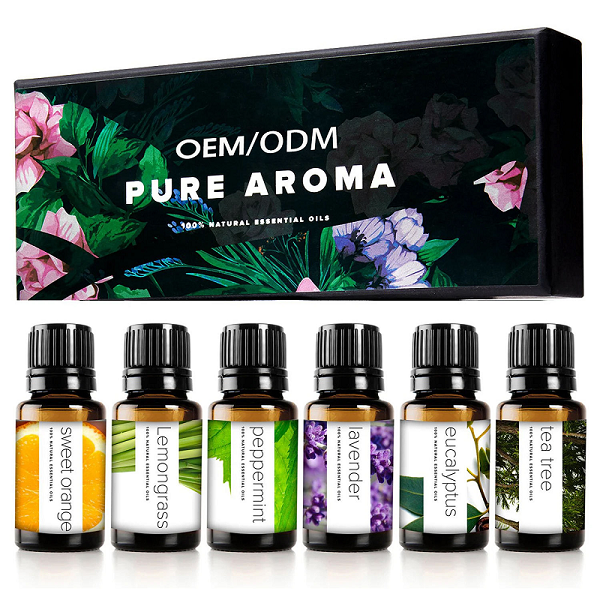

Why Youming Is a Trusted Essential Oils Supplier
At Youming, we focus on protecting your brand reputation by delivering premium essential oils and tailored support for your business. Our goal is to make your supply chain a competitive advantage.
Ensuring Purity and Consistency
We source from ethical growers to guarantee authentic botanicals. Every batch undergoes rigorous GC/MS testing to prevent adulteration, ensuring consistent aroma and therapeutic properties across all products.
Flexible Support for Business Growth
Our flexible minimum order quantities let you test new markets without overcommitting. You gain access to a wide library of therapeutic grade and bulk carrier oils, while our team provides expert guidance on formulation and supply chain management to support your product development.
Partnering with Youming ensures your brand benefits from high-quality products, reliable supply, and expert consultation at every stage.

FAQs
How can you verify if an essential oils supplier is legitimate?
Request CoA and SDS for each batch, check botanical names and origin, and review the supplier's reputation through client feedback or industry presence.
What is the difference between therapeutic grade and synthetic oils?
Therapeutic grade essential oils are natural and suitable for aromatherapy or skincare, while synthetic oils are lab-created and mainly used for candles or room sprays due to their stability.
Why is GC/MS testing important?
GC/MS testing confirms composition, detects adulteration, and ensures consistent quality, which is especially important for aromatherapy products.
What questions should you ask a wholesale supplier?
Ask about batch testing, minimum order quantities, sourcing practices, and packaging standards to ensure the supplier meets your quality and supply requirements.