


Essential Oils Market Trends 2026: What B2B Buyers Must Know
Mar 24, 2026
Leave a message
Global Essential Oils Market Landscape
In the past, many buyers sourced essential oils on a spot-purchase basis, often prioritizing cost over quality. This approach led to inconsistent supply, fluctuating quality, and missed opportunities in premium segments. Today, successful B2B buyers are shifting toward strategic partnerships with essential oils manufacturers that offer custom formulations, private label options, and scalable production.
The global market is projected to grow at 7–8% CAGR from 2023 to 2026, driven by wellness trends and demand for floral and specialty oils. Companies that align with reliable essential oils suppliers can secure consistent supply, optimize pricing, and access unique products that differentiate their offerings in competitive markets.
Segment Breakdown: Citrus, Florals, Resins & Woods
Different categories of essential oils have unique market dynamics and sourcing considerations. Understanding these differences helps B2B buyers optimize procurement, balance cost and quality, and differentiate their product lines.
|
Category |
Market Dynamics |
Recommended Applications |
B2B Strategy |
|
Citrus |
High-volume, lower cost; sensitive to climate variability |
Home care, functional fragrances, FMCG products |
Partner with reliable essential oils suppliers for consistent supply; use bulk orders to optimize cost efficiency |
|
High-Value Florals |
Low yield, premium pricing; risk of synthetic adulteration |
Prestige cosmetics, luxury aromatherapy |
Work with custom essential oils manufacturers to ensure authentic, traceable oils; focus on selective sourcing for premium product lines |
|
Resins & Woods |
Steady demand; complex extraction; ethical sourcing concerns |
Men's grooming, grounding wellness blends |
Source from experienced essential oils factories with ethical and scalable production; combine with other oils for differentiated blends |
By combining volume-focused citrus oils with selectively sourced florals and resins, brands can optimize cost, maximize product appeal, and maintain consistent quality. Partnering with reliable essential oils factories is key to ensuring supply continuity and supporting private label or custom formulations.
Supply Chain Risks and Mitigation
Sourcing bulk essential oils comes with several risks that can affect supply consistency, product quality, and brand reputation. Understanding these risks and taking proactive measures is critical to ensuring smooth operations and long-term profitability.
Climate & Yield Volatility
Weather events, crop failures, or regional climate fluctuations can suddenly reduce supply and drive up prices. To mitigate this, buyers should diversify sourcing across multiple regions and maintain buffer inventory. Partnering with reliable essential oils suppliers who can provide seasonal forecasts and stable delivery schedules helps avoid disruptions.
Essential Oil Adulteration
Premium oils are sometimes diluted with cheaper synthetics, which can compromise product quality and customer trust. Always perform GC/MS testing to verify chemical composition, and consider working with custom essential oils manufacturers that guarantee traceable and authentic oils.
Sustainable Sourcing
Ethical and sustainable sourcing is no longer optional-it impacts regulatory compliance and brand reputation. Collaborate only with suppliers who protect biodiversity, support local communities, and provide full traceability. Leveraging private label essential oils factories with sustainability credentials ensures your products meet market expectations while reinforcing your brand values.
By taking these steps-diversifying sourcing, verifying quality, and prioritizing sustainable partnerships-brands can maintain consistent supply, protect product quality, and build credibility with customers, all while minimizing operational risks.


Consumer-Driven Trends in 2026
Modern buyers increasingly demand products that combine functionality, transparency, and sustainability. For brands and essential oils manufacturers, understanding these trends helps guide product development and sourcing decisions.
Functional Fragrance Segments
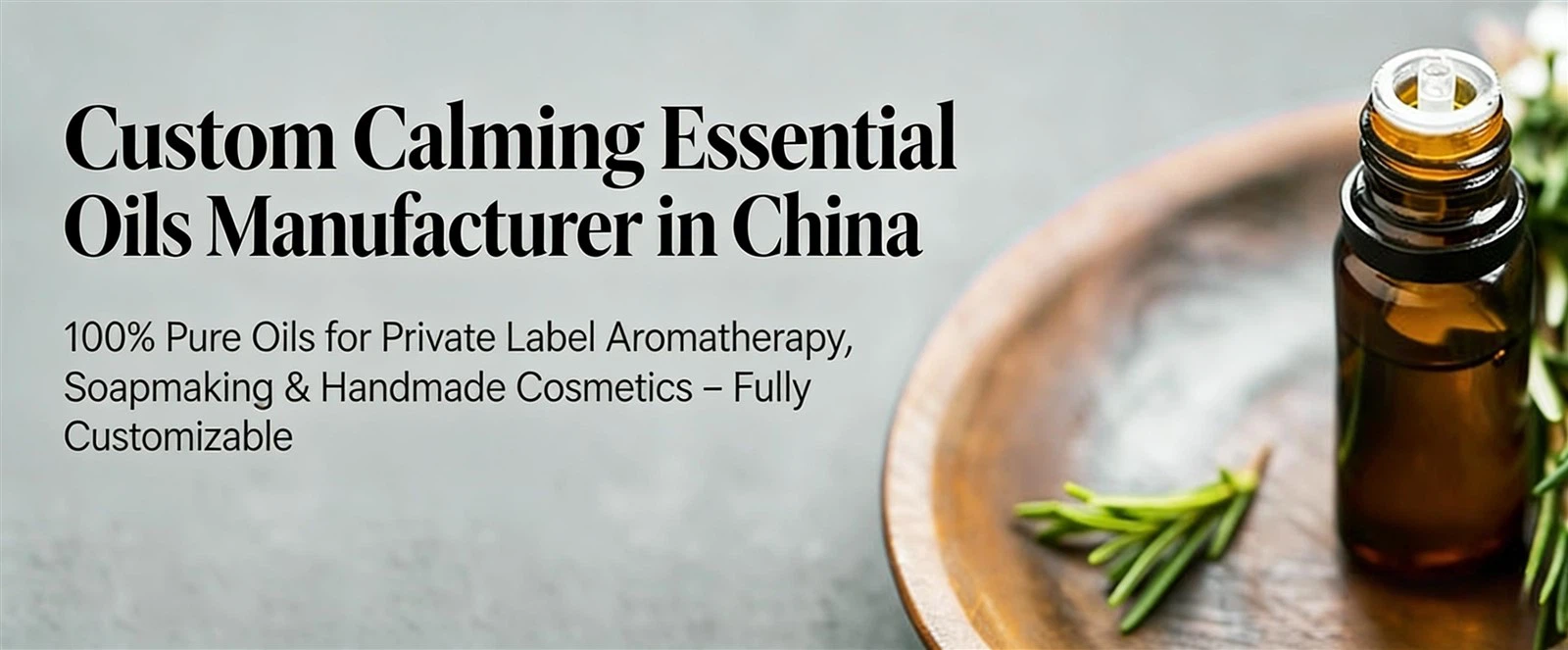
Calming Oils: Designed for stress relief and relaxation, these blends can be formulated by custom essential oils factories to meet wellness-focused consumer preferences.
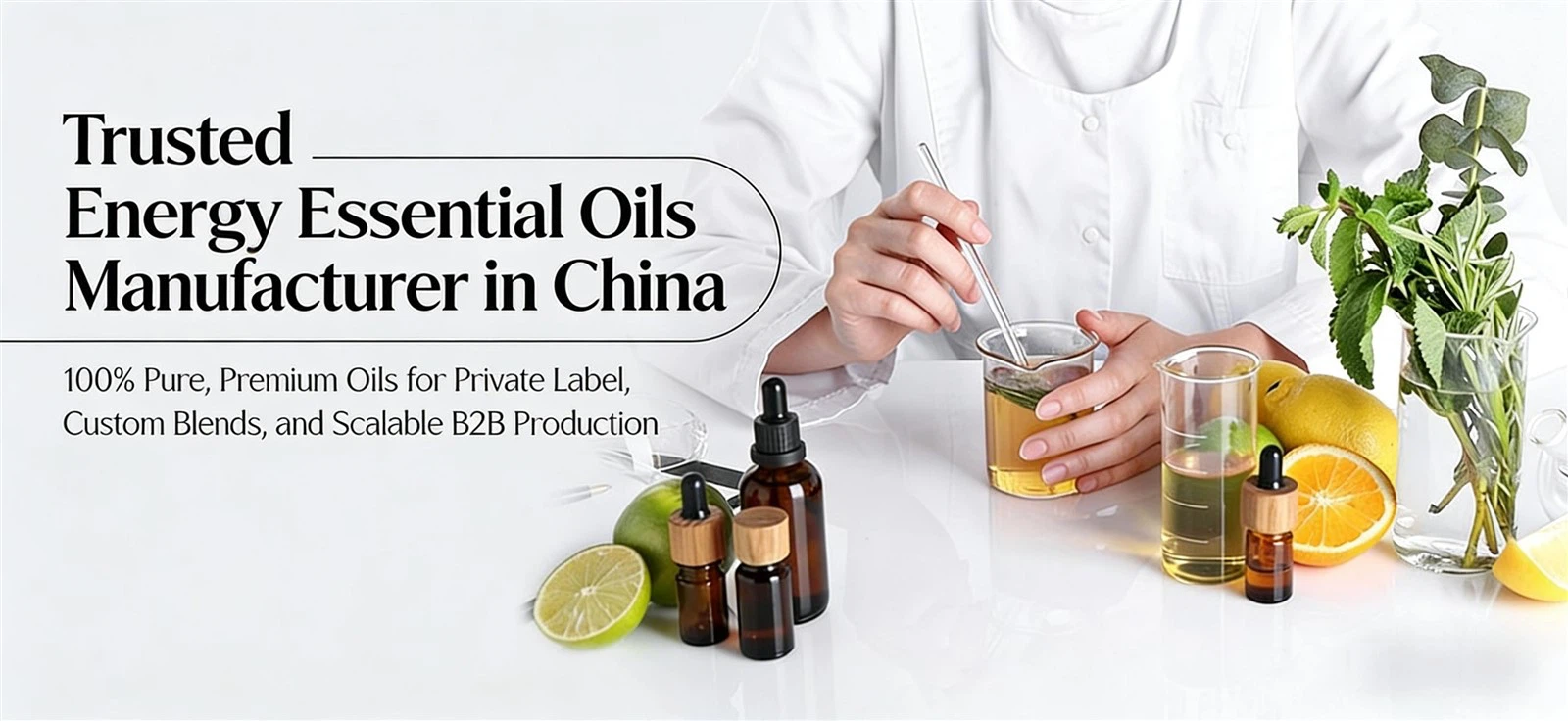
Energy Oils: Support focus, clarity, and productivity. Working with experienced private label essential oils suppliers ensures consistent, high-quality blends that differentiate your product line.
Cross-Category Integration
Bath & Body: Incorporating essential oils into therapeutic personal care products enhances perceived value.
Home Care: Eco-friendly cleaners and detergent pods can be infused with fragrance oils to expand offerings while maintaining product performance through reliable essential oils manufacturers.
Clean Label Expectations
Ingredients: 100% natural and free of synthetic fillers.
Packaging: Biodegradable and eco-conscious. Sourcing from private label essential oils factories with traceable materials supports compliance and aligns with consumer sustainability preferences.
Carefully considering these trends-functional fragrances, cross-category applications, and clean-label standards-allows brands to deliver appealing, differentiated products while leveraging the expertise and capabilities of experienced essential oils factories.

Manufacturing & Packaging Considerations
Selecting the right extraction and packaging methods is essential for maintaining the quality, fragrance, and stability of essential oils. For brands and essential oils manufacturers, understanding these factors helps ensure consistent product performance and customer satisfaction.
Extraction Technologies
Advanced extraction methods preserve delicate botanical compounds while delivering high-quality oils:
Supercritical CO₂ Extraction: High purity with no solvent residue, ideal for premium fragrance lines.
Microwave-Assisted Extraction: Protects sensitive compounds and preserves natural aroma, suitable for therapeutic or high-value private label products.
Partnering with experienced custom essential oils manufacturers ensures that each batch meets formulation requirements and functional specifications.
Packaging Solutions
Proper packaging protects oils from environmental factors and supports compliance:
- Amber Glass & UV Protection: Extends shelf life by preventing light degradation.
- Tamper-Evident, Chemical-Resistant Closures: Ensures safety and regulatory compliance.
- Heavy-Duty Bulk Containers: Suitable for wholesale shipping and large-scale orders.
Collaborating with reliable essential oils factories guarantees consistent packaging standards and maintains product quality across batches.
By combining advanced extraction technologies with thoughtfully designed packaging, brands can preserve fragrance integrity, support regulatory compliance, and strengthen consumer trust while leveraging the expertise of essential oils suppliers.


Leveraging OEM/ODM Partnerships
Collaborating with experienced essential oils manufacturers allows brands to maintain consistent product quality, access specialized R&D, and scale production efficiently. Selecting the right OEM or ODM partner ensures that formulations, safety standards, and packaging align with both your product goals and sales channels.
Key Capabilities
A reliable OEM/ODM partner should demonstrate:
- Certified safety and quality management, including FDA, SGS, ISO22716, REACH, SMETA standards.
- Agile prototyping capabilities to support rapid product iteration for private label lines.
- Automated production lines capable of handling sudden volume spikes without compromising quality.
Tailored Solutions by Business Type
Different sales channels require customized approaches. The table below illustrates how essential oils factories can adapt capabilities to your business:
|
Business Type |
Procurement Strategy |
|
E-commerce Brands |
Rapid prototyping, low MOQs, parcel-optimized packaging |
|
Big-Box Retailers |
Shelf-ready packaging, robust compliance, high-volume inventory |
|
Established Brands |
Custom proprietary formulations, exclusive R&D, automated large-scale production |
Aligning your OEM/ODM partner's capabilities with your sales channels ensures that private label aromatherapy products perform consistently, meet regulatory standards, and satisfy end consumers while maximizing operational efficiency.


Summary
To succeed in the essential oils market in 2026, B2B buyers should focus on core essential oils while selectively incorporating premium segments to differentiate their offerings. Supply chain and quality risks can be mitigated through geographic diversification, chemical composition testing, and partnering with ethical suppliers. Leveraging OEM and ODM essential oils manufacturers ensures R&D-backed formulations, consistent quality, and scalable production to meet both current and future demand. Applying strategies tailored to your business type helps secure margins, strengthen brand reputation, and maintain a long-term competitive advantage.