

Can I use dried flowers in making flower sponge soap?
Sep 04, 2026
Leave a message
Hey there! As a supplier of Flower Sponge Soap, I often get asked all sorts of questions about what we can and can't use in our soaps. One question that's been popping up a lot lately is, "Can I use dried flowers in making flower sponge soap?" Well, let's dive right into it.
The Appeal of Dried Flowers in Soap
First off, dried flowers add a whole new level of aesthetic appeal to flower sponge soap. They give the soap a natural, rustic look that's really hard to beat. When you hold a bar of soap with delicate dried petals embedded in it, it just feels more special, more handmade. It's like a little piece of nature captured in a bar of soap.
But it's not just about looks. Dried flowers can also bring some potential benefits to the soap. For example, lavender flowers are known for their calming properties. When you use dried lavender in your flower sponge soap, it can release a subtle, soothing aroma as you use it, which can help you relax after a long day. Rose petals, on the other hand, are often associated with skin - nourishing properties. They can add a bit of luxury and a lovely floral scent to the soap.

The Science Behind Using Dried Flowers
Now, let's talk about the science. When making flower sponge soap, we need to consider a few things. One of the main concerns is the moisture content. Dried flowers are, well, dried. But they can still contain some residual moisture, which might affect the soap - making process.
If there's too much moisture in the dried flowers, it can mess up the saponification process. Saponification is the chemical reaction that turns fats and oils into soap. Excess moisture can slow down this reaction or even prevent it from happening properly. So, it's super important to make sure the dried flowers are bone - dry before you add them to your soap mixture.
Another thing to think about is the fragility of the dried flowers. When you're mixing them into the soap batter, you need to be gentle. If you stir too vigorously, the flowers can break into tiny pieces, and you won't get that beautiful, intact petal look in your finished soap.
How to Use Dried Flowers in Flower Sponge Soap
So, if you've decided to give it a go and use dried flowers in your flower sponge soap, here's how you can do it.
First, start with high - quality dried flowers. You can buy them from a craft store or even dry your own at home. Make sure they're completely dry and free of any mold or debris.
Next, prepare your soap batter as you normally would. Once the batter reaches the right consistency (usually a "trace" stage, which means it's thick enough that when you drizzle some on the surface, it leaves a visible trail), it's time to add the dried flowers.
Sprinkle a small amount of the dried flowers into the batter and gently fold them in. You can use a spatula or a whisk, but be gentle. You want to distribute the flowers evenly throughout the batter without breaking them up too much.
If you want a more decorative effect, you can also layer the flowers in the soap. For example, pour a thin layer of soap batter into your mold, then sprinkle some dried flowers on top, and then pour another layer of batter over it. Repeat this process until your mold is full.
After you've added the flowers and filled the mold, let the soap cure. Curing is an important step where the soap continues to harden and the saponification process finishes. This usually takes a few weeks.
Our Flower Sponge Soap Offerings
At our place, we've been experimenting with dried flowers in our flower sponge soap for a while now. We've come up with some really cool combinations.
One of our best - sellers is a soap with dried chamomile flowers. Chamomile is known for its anti - inflammatory properties, so it's great for sensitive skin. The dried chamomile gives the soap a lovely, golden - yellow color and a gentle, earthy aroma.
We also have a rose - infused flower sponge soap. The dried rose petals not only look beautiful but also give the soap a luxurious, romantic scent. It's like having a little spa experience every time you use it.
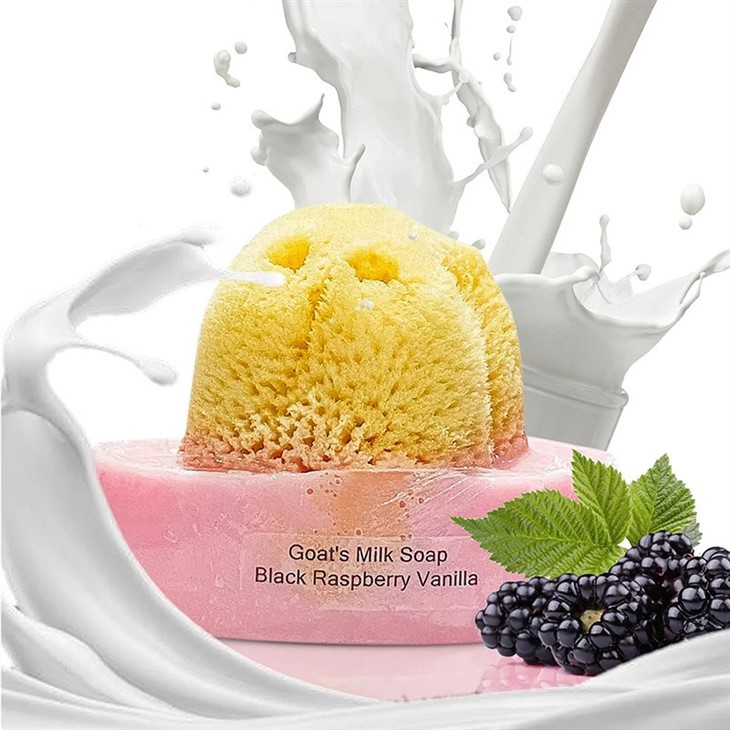
If you're interested in other types of soaps we offer, we have some amazing options. Check out our Goat Milk Nourishing Soap. It's made with real goat milk, which is rich in vitamins and minerals that are great for your skin. Then there's our Citrus Essential Oil Body Soap Bar. The citrus essential oils give it a refreshing, zesty scent that's perfect for waking you up in the morning. And don't forget our Aroma Crystal Soap, which has a unique, crystal - like appearance and a long - lasting fragrance.
Potential Challenges
Using dried flowers in flower sponge soap isn't without its challenges. One issue is the color. Over time, the dried flowers can fade, especially if they're exposed to sunlight or heat. This can affect the overall appearance of the soap.
Another challenge is the shelf life. Dried flowers can attract insects or start to degrade over time, especially if they're not stored properly. So, it's important to use a good quality container and store the soap in a cool, dry place.
Conclusion
So, to answer the question, "Can I use dried flowers in making flower sponge soap?" The answer is yes, you definitely can. With a little bit of knowledge and some care in the process, dried flowers can add a lot of value to your flower sponge soap, both in terms of appearance and potential benefits.
If you're a retailer or someone interested in bulk orders of our flower sponge soaps or any of our other products, we'd love to hear from you. We're always open to discussing potential partnerships and custom orders. Whether you want a specific type of dried flower in your soap or a unique blend of scents, we're here to make it happen. Reach out to us, and let's start a conversation about how we can work together to bring high - quality, beautiful soaps to your customers.
References
- "The Complete Guide to Soapmaking" by Susan Miller Cavitch
- Various online resources on natural soap ingredients and techniques